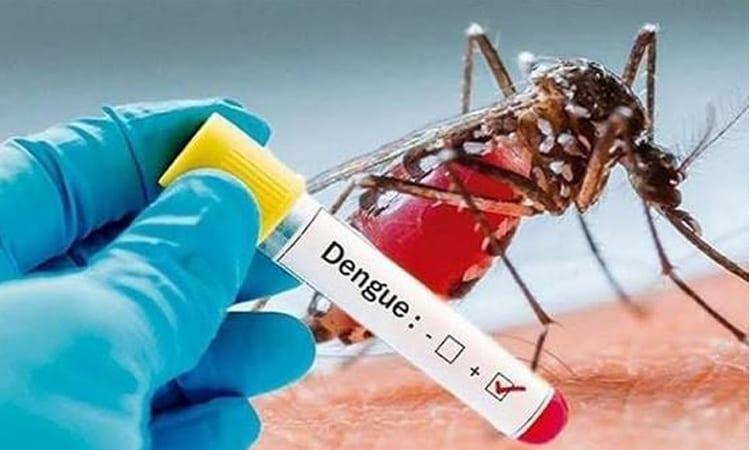
Health officials have reported 190 fresh cases of dengue infection and 2 deaths overnight. Most of the patients were reported in health facilities in the southwestern Barishal region. According to a Directorate General of Health Services (DGHS) statement, 48 patients were hospitalised in Barishal division, making it the worst-affected area. Other affected regions include Chattogram division with 34 cases, Dhaka South City Corporation (DSCC) with 40 cases, Dhaka North City Corporation (DNCC) with 31 cases, Khulna division with 22 cases, Mymensingh division with 6 cases, Rajshahi division with 7 cases, and Sylhet Division with 2 cases.
Regional Breakdown of Dengue Cases
The DGHS statement provided a detailed breakdown of the regional distribution of dengue cases. Barishal division, with 48 hospitalised patients, has been hit the hardest. Chattogram division follows with 34 cases, while Dhaka South City Corporation (DSCC) and Dhaka North City Corporation (DNCC) reported 40 and 31 cases respectively. Khulna division saw 22 cases, Mymensingh division had 6, Rajshahi division reported 7, and Sylhet Division had the fewest with 2 cases.
Year-to-Date Dengue Statistics
Since the start of the dengue outbreak, Bangladesh has witnessed a total of 24 deaths and 7,747 infections. In comparison, last year saw 413 deaths and 1,02,861 infections, while 2024 recorded 575 deaths and 1,01,214 infections. The current surge in cases highlights the ongoing challenge posed by the mosquito-borne disease.
Significance and Implications
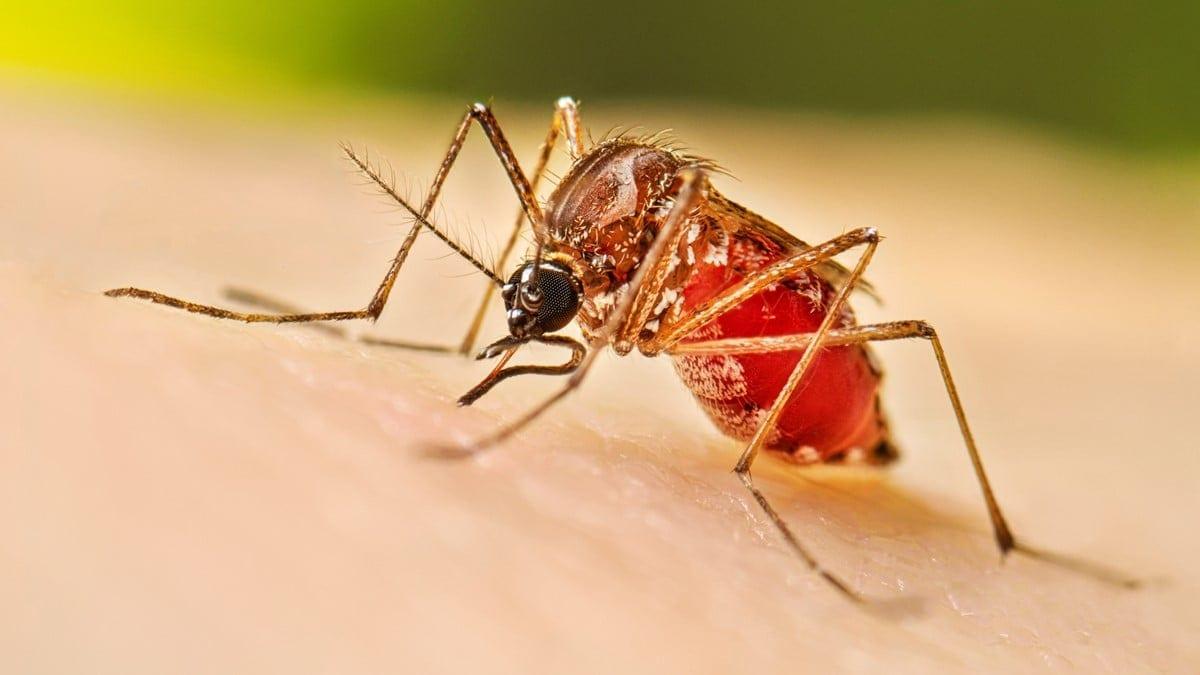
The recent spike in dengue cases underscores the urgent need for effective mosquito control measures and public health interventions. With the rainy season contributing to the proliferation of mosquito breeding sites, the risk of further spread remains high. Health authorities are likely to intensify their efforts to combat the outbreak, including public awareness campaigns and vector control programs.
What Happens Next
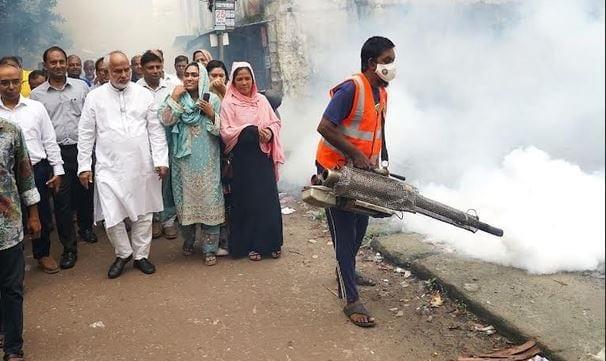
In response to the escalating dengue situation, health officials are expected to ramp up their efforts to control the mosquito population and educate the public on preventive measures. This may include the distribution of mosquito nets, larvicide treatments in stagnant water, and community outreach programs to raise awareness about the dangers of dengue and the importance of eliminating breeding sites.