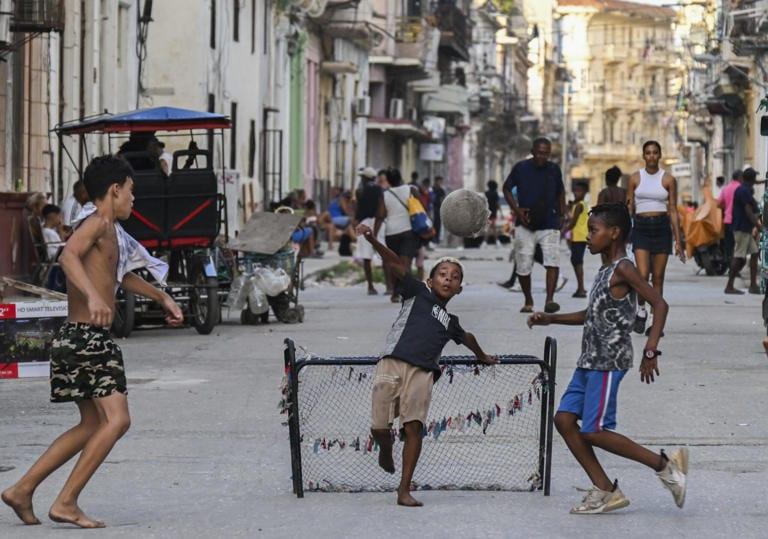
Cuba's healthcare system, once a symbol of the nation's post-revolutionary success, is now facing a dire crisis. Patients across the country are experiencing significant delays in receiving critical treatments, with many facing life-threatening consequences. Rosa Valentina Perez, a 64-year-old breast cancer survivor, has been waiting nearly three weeks for a CT scan to determine if her cancer has spread to her spine. The only functioning CT scanner in Havana is overwhelmed, leaving Perez and many others in limbo.
The Covid pandemic, tightened US sanctions, and an energy crisis exacerbated by a fuel blockade have pushed Cuba's healthcare system to the brink. Days-long power outages, severe shortages of medicine, and an exodus of medical staff have created a perfect storm in Cuban health facilities. The government, struggling with limited resources, has prioritized certain areas like cancer, cardiology, nephrology, and maternal and child health, but even these departments are overwhelmed.
At the National Institute of Oncology and Radiobiology (INOR), the waitlist for radiotherapy exceeds 1,200 patients. Eighty percent of diagnostic and treatment equipment is obsolete or broken, according to institute director Luis Eduardo Martin. The childhood cancer survival rate has plummeted from 85 percent to 65 percent, as essential blood tests are cut back due to a lack of equipment and fuel.
Heart disease treatment has also suffered. The number of heart surgeries has dropped from over 400 in 2018 to just 100 currently. Around 130 patients are waiting for pacemakers, and medical equipment repairs are delayed due to a shortage of technicians. The dialysis unit at Hermanos Ameijeiras Hospital has reduced session times from four to two hours to manage the overwhelming demand, a decision that nephrology head Iamara Castro describes as "shortening life."
The crisis extends beyond patients, affecting healthcare workers as well. Many doctors, nurses, and technicians have left for better-paying jobs abroad or in the private sector, unable to survive on state wages. The situation is dire, with technicians working tirelessly to repair equipment and nurses overwhelmed by the demand for care. The Cuban healthcare system, once a point of national pride, now struggles to provide the essential services its people need.