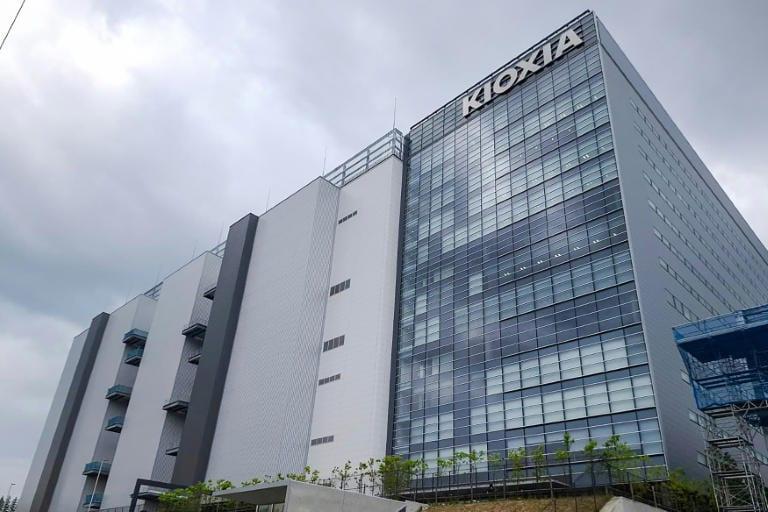
The global race to build artificial intelligence data centers has turbocharged business for chipmakers, creating shortages and sending prices soaring for memory components. Kioxia, one of Japan's most valuable companies, is reaping the benefits of this trend. Its share price has soared around seven-fold this year, briefly making it the largest Japanese firm by market capitalization after surpassing Toyota in June.
Kioxia specializes in NAND flash chips, a commodity in high demand as AI agents require increasing storage space. CEO Hiroo Ota expressed high expectations for the continued expansion of the flash memory market. The company's new chip fabrication plant in Kitakami, northern Japan, underscores its commitment to meeting this growing demand.
Analysts note that Kioxia's stock price surge represents a normalization of valuation for what was once an 'ignored sector.' However, the company faces challenges in maintaining its competitive edge against rivals like China's Yangtze Memory Technologies Co (YMTC). Additionally, broader concerns about overstretched valuations and the timing of returns on AI investments persist.
The local community in Kitakami is experiencing a boom in employment and business sentiment due to Kioxia's success. However, there is also anxiety about the sustainability of this growth, given the industry's history of boom-and-bust cycles.
Kioxia, formerly Toshiba Memory, was sold by Toshiba in 2018 and is now planning a US listing. The company forecasts a significant jump in operating profit for the April-June period, reflecting the strong demand for its products. Despite the current success, the future remains uncertain for both Kioxia and the local community.