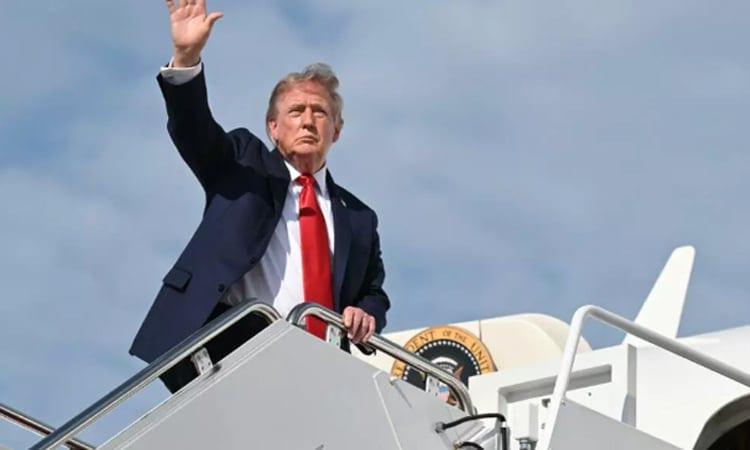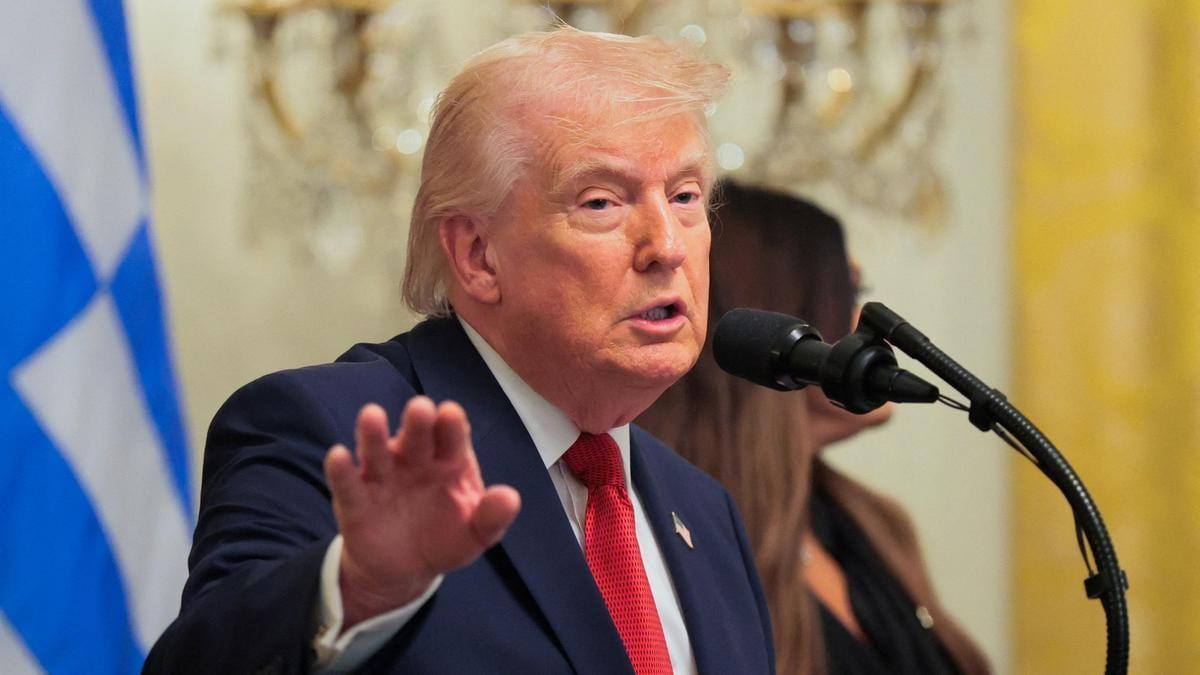
President Donald Trump has warned that the United States will expand its strikes on Iran next week to target power plants and bridges if Tehran does not agree to a deal. Trump made the comments during an interview with Fox News, stating, 'Next week it gets really bad for them because next week comes the power plants. Next week comes the bridges. We're going to knock out all their power plants. We're going to knock out all their bridges unless they get to the table and negotiate.' This comes as US forces continue strikes against Iran for the fourth consecutive day and have reimposed a naval blockade on Iran's ports. A fragile ceasefire that was established on June 17 has effectively collapsed, with ongoing tensions over the control of the Strait of Hormuz.
Trump's threat of expanded strikes indicates a significant escalation in the ongoing conflict. The US strikes, which have been ongoing for four days, show no immediate signs of stopping, with Trump stating, 'They'll continue until I say it's enough.' The reimposed naval blockade further tightens the pressure on Iran, which relies heavily on its ports for trade and economic stability.
The Strait of Hormuz, a crucial waterway for global oil trade, remains a focal point of the conflict. Control over this strategic location is vital for both the US and Iran, making it a critical area of contention. The collapse of the ceasefire has heightened tensions and increased the likelihood of further military action.
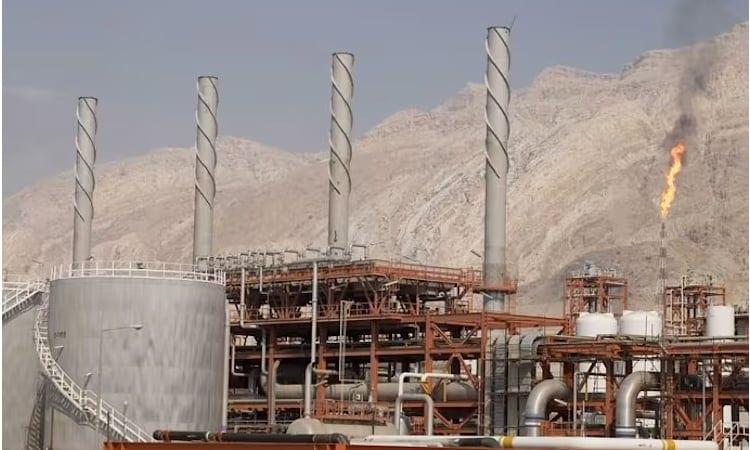
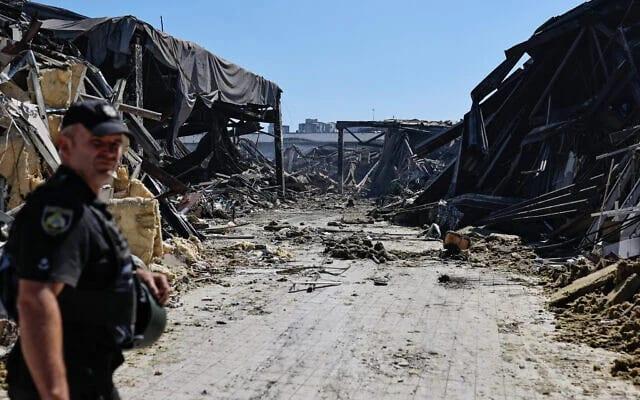
The potential targeting of power plants and bridges would have severe implications for Iran's infrastructure and civilian population. Such strikes could lead to widespread power outages and disrupt essential services, further destabilizing the region. The international community is closely watching the situation, with many calling for de-escalation and diplomatic solutions.
The situation holds significance for Bangladesh as well, given its strategic location and economic ties with both the US and Iran. Any escalation in the conflict could impact global oil prices and trade routes, indirectly affecting Bangladesh's economy and energy sector.