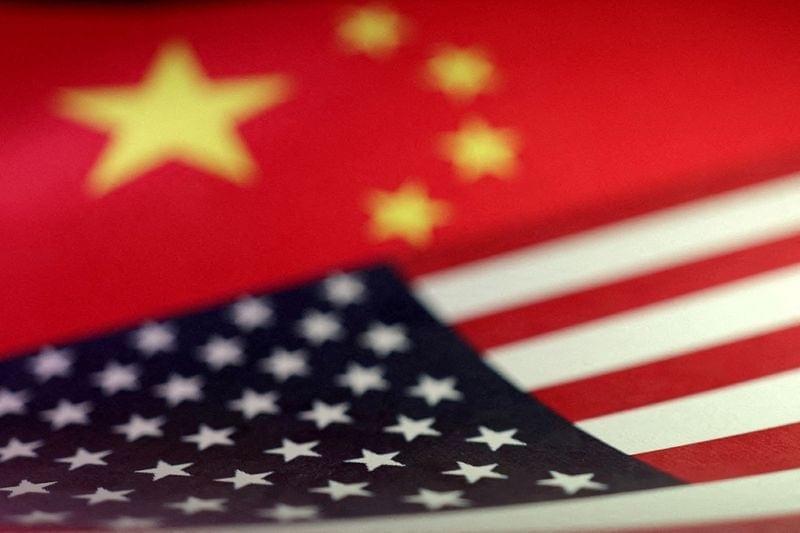
China's economy grew at its weakest pace in more than three years during the second quarter, missing expectations despite strong exports driven by the global AI boom. The 4.3 percent year-on-year expansion reported by the National Bureau of Statistics (NBS) for April-June was short of the 4.5 percent forecast in an AFP survey of economists and the slowest growth since the fourth quarter of 2022. It also fell short of Beijing's targeted annual rate of 4.5-5.0 percent, the lowest in decades.
A years-long crisis in the property sector and a persistent slump in domestic spending have left Chinese leaders reliant on exports to meet growth targets. However, the ongoing conflict in the Middle East has threatened this strategy by disrupting shipping through the Strait of Hormuz, a vital transit route for global oil and natural gas.
The NBS reported that retail sales grew by 1.0 percent year-on-year in June, beating forecasts, while industrial production rose by 5.3 percent, surpassing estimates. However, fixed-asset investment slid by 5.7 percent on-year in the first half, indicating ongoing challenges.
Analysts suggest that domestic demand dampened by low income expectations remains China's 'weakest link.' Policymakers are expected to place greater emphasis on boosting consumption through fiscal stimulus packages, increased minimum wages, or directing wage growth towards frontline workers.
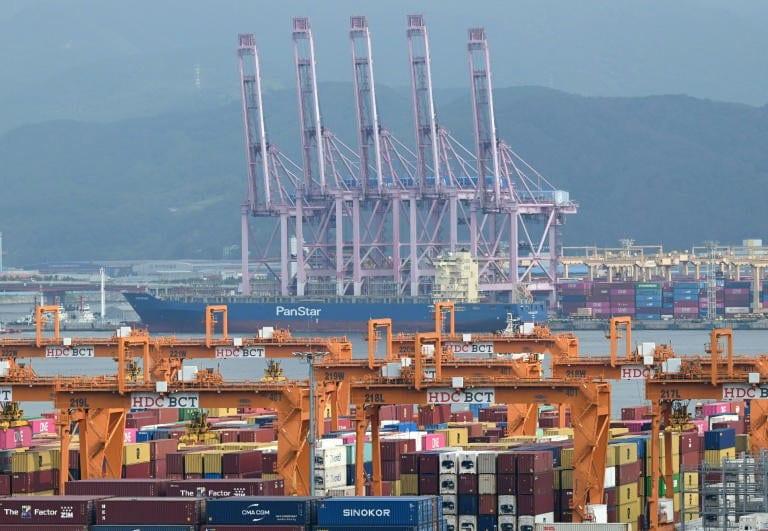
Despite the slowdown, exports surged by 27.0 percent year-on-year in June, fueled by the global AI boom. China's semiconductor exports more than doubled in value, while data-processing equipment shipments rose by 53.1 percent. However, the expansion in semiconductor exports was largely due to price increases caused by the ongoing shortage of memory chips.