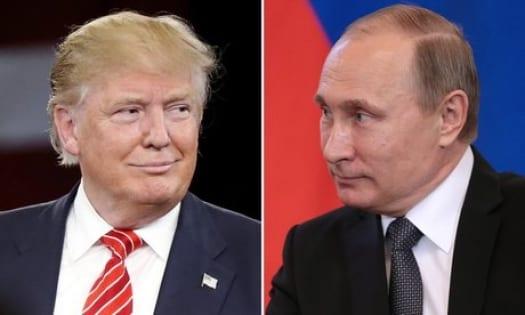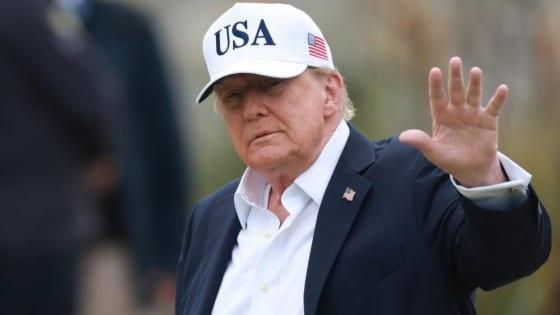
The trade war initiated by President Donald Trump on April 2, 2018, with retaliatory tariffs is poised to endure. Trump's strategy, lacking a clear plan and marked by aggressive stances towards potential allies, has led to disarray in U.S. trade policy. The global economy, now heavily reliant on China for key supplies, faces significant risks as Beijing uses its control over critical materials as leverage. The prolonged conflict necessitates a more strategic approach from future administrations to mitigate economic pressures and ensure a stable global trade system.
Global Economic Shifts
In response to Trump's tariffs, countries have sought new trade agreements, bypassing the U.S. The EU and Mercosur quickly finalized a trade deal, while China deepened its trade ties with Southeast Asian nations. Canada's Prime Minister visited Beijing to strengthen relations with China.
China's Dominance and Strategic Risks
China's export dominance and control over critical materials pose significant strategic risks. The country has used its supply chain control as a geopolitical tool, as seen in disputes with Japan and the Netherlands. This has led to increased anti-dumping investigations and tariffs on Chinese goods globally.
Future Challenges and Strategic Responses
The future will require developing alternative supply chains for critical materials, a process that will be time-consuming and complex. Despite efforts by the Biden administration to boost domestic chip production and find new mineral sources, the transition will be challenging. The prolonged trade war underscores the need for a coordinated, strategic approach to global trade.