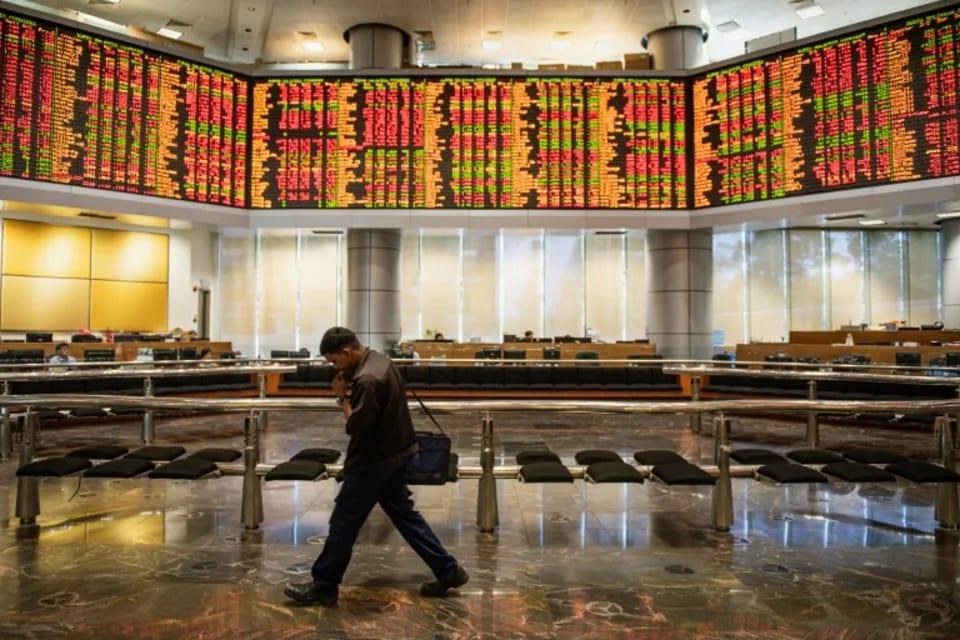
Asian stocks experienced a significant rise on Friday, with tech firms benefiting from a pause in the heavy selling that has plagued them in recent weeks. The upswing followed the release of US jobs data that showed fewer jobs were added in June than forecast, which alleviated some fears of an imminent Federal Reserve interest rate hike.
Market Reaction to US Jobs Data
The US economy added less than half the number of jobs forecast in June, and figures for the previous two months were revised down. This data suggested the labor market was not as robust as previously thought, providing the Federal Reserve with some leeway to delay a rate hike. Consequently, regional markets in Asia saw gains, with Seoul's Kospi up more than two percent and Tokyo's Nikkei 225 rising by 0.7 percent.
Impact on Tech Stocks
Tech stocks, which have been under pressure due to concerns over extended valuations and the prospect of higher borrowing costs, found some relief. South Korean chipmaker SK hynix and Japanese firm Kioxia, both of which had seen significant declines, contributed to the rally. Samsung also saw gains, helping to boost the Kospi index.
Federal Reserve's Stance on Rates
Despite the weaker jobs data, the likelihood of a rate hike before the end of the year remains. The Federal Reserve has signaled a potential increase this year, with new Chair Kevin Warsh emphasizing the need for price stability amid persistently elevated inflation. Analysts note that while the labor market may not be strong enough to trigger immediate hikes, it is no longer an impediment, allowing the Fed to focus on inflation.
Global Market Performance
The gains in Asia followed a mixed day on Wall Street, where the Nasdaq fell 0.8 percent but the Dow Jones Industrial Average jumped more than one percent. Analysts attribute the retreat in tech stocks to their substantial gains over the past two years, with investors rotating into other sectors perceived as undervalued. The dollar weakened following the jobs data, while gold prices climbed towards $4,200, benefiting from lower interest rate expectations.
Why This Matters for Bangladesh
The performance of global markets, especially in Asia, has significant implications for Bangladesh. As a developing economy with growing ties to global financial markets, fluctuations in tech stocks and interest rates can impact foreign investment, export opportunities, and overall economic stability. Monitoring these trends helps policymakers and businesses in Bangladesh make informed decisions.