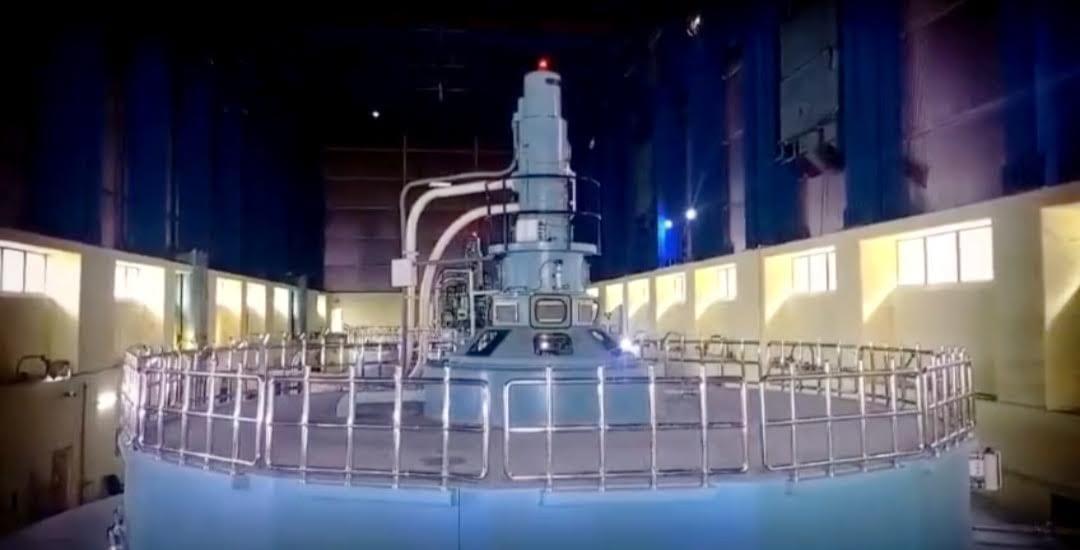
The Karnafuli Hydroelectric Power Station in Kaptai has increased electricity generation to 222 megawatts (MW) as the water level in Kaptai Lake has risen following recent continuous rainfall and runoff from upstream hills. Engineer Mahmud Hasan, Manager of the power station, confirmed that as of 9am today, all five generating units were producing a total of 222 MW of electricity. Units 1 and 2 were each generating 46 MW, contributing a total of 92 MW, while unit 3 was producing 50 MW, and units 4 and 5 were each generating 40 MW, adding another 80 MW. The combined installed generation capacity of the station's five units is 240 MW.
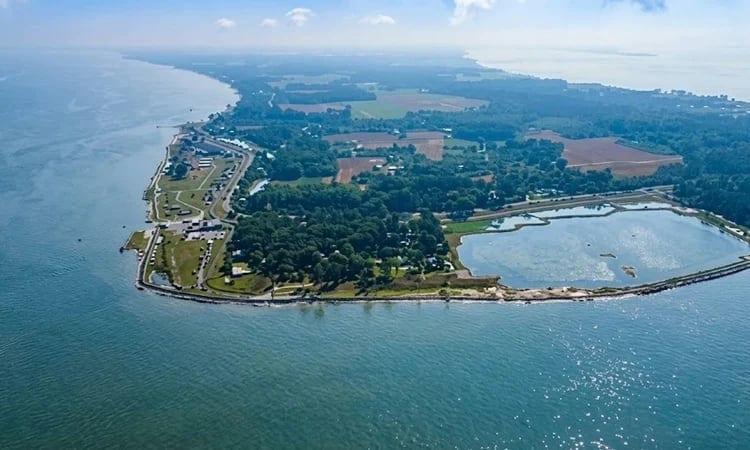
Officials at the station's control room reported that the water level in Kaptai Lake stood at 102.25 feet above mean sea level (MSL) as of 9 am today. According to the rule curve, the expected water level for this time of the year is 85.08 feet MSL, while the lake's maximum storage capacity is 108 feet MSL.
Due to low water levels over the past several months, the station had often been operating only one or two generating units. However, all five units have been brought into operation since last week following the rise of the lake's water level. Officials added that if rainfall continues, the water level in Kaptai Lake is expected to rise further, enabling an increase in electricity generation.
Established in 1960, the Karnafuli Hydroelectric Power Station is entirely dependent on natural water availability. When Kaptai Lake holds sufficient water, all five generating units can operate simultaneously, producing between 230 MW and 242 MW of electricity. This increase in power generation is significant for Bangladesh, providing a much-needed boost to the national grid.
Continuous rainfall and inflows from upstream hills over the past few days have significantly increased the lake's water level, resulting in higher power generation. The rise in electricity production at the Karnafuli Hydroelectric Power Station is a positive development for the country, helping to meet the growing energy demands.