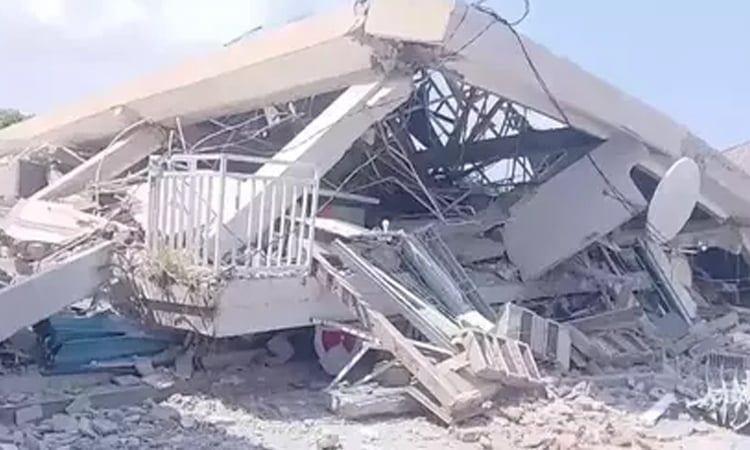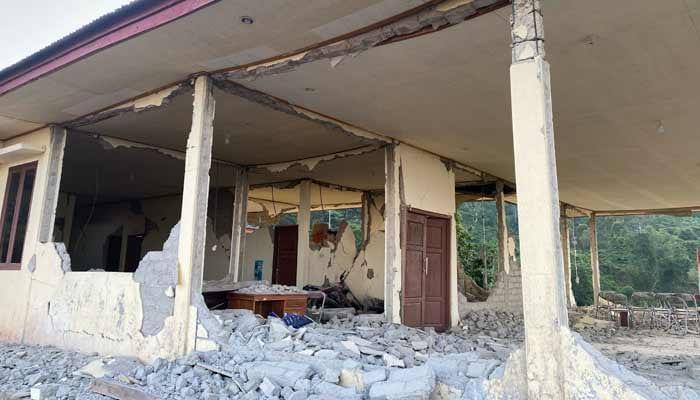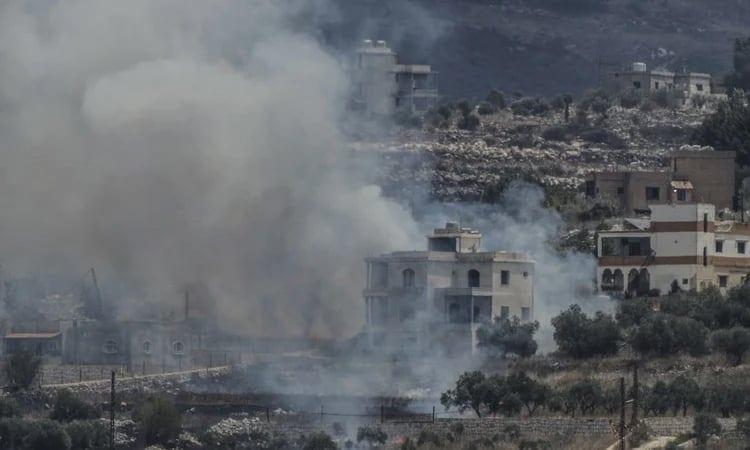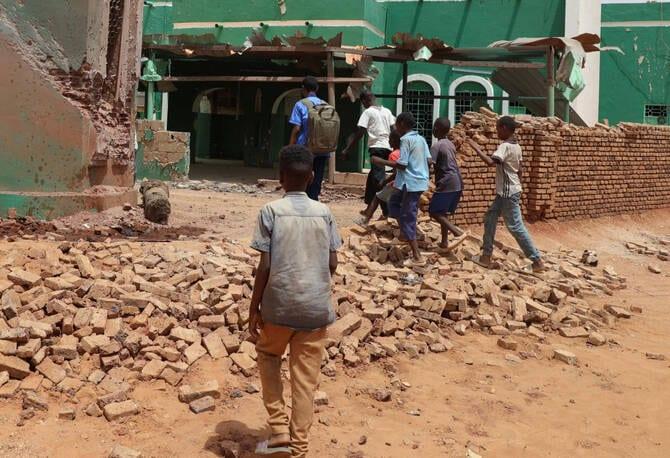
Yemen's Iran-backed Houthi rebels killed 14 troops in an attack south of the port city of Hodeidah, a military official aligned with the country's internationally-recognised government told AFP on Sunday. The attack occurred in Hays district, south of Hodeidah, with clashes lasting for several hours at dawn on Saturday. The official reported casualties among Houthi ranks but did not specify the number. This incident marks a significant escalation in the ongoing conflict between the Houthis and the internationally-recognised government.
Background of the Conflict
The Houthis have been at war with the Yemeni government since 2015, a conflict that has resulted in hundreds of thousands of deaths and a major humanitarian crisis. The rebels control Yemen's capital, Sanaa, and much of the north, including Hodeidah on the western Red Sea coast. In contrast, the internationally-recognised government holds much of the south. The fighting has been largely frozen since a UN-negotiated truce in 2022.
Recent Tensions and Threats
On Friday, the Houthis threatened airports and vital assets belonging to Saudi Arabia, a key supporter of Yemen's Aden-based government. The rebel group, which is part of Iran's 'axis of resistance' against Israel and the United States, accused the kingdom of attempting to stop an Iranian plane from landing. This threat comes amid rising tensions and underscores the volatile nature of the region.
Implications for the Region
The recent attack and threats by the Houthis could destabilize the fragile truce and reignite full-scale conflict. The situation is particularly concerning given the involvement of regional and international powers. The conflict has significant implications for Yemen's already dire humanitarian situation, potentially leading to increased suffering for civilians.
Why This Matters for Bangladesh
The conflict in Yemen, involving regional powers and international actors, has broader implications for global stability. For Bangladesh, the situation underscores the importance of diplomatic efforts to resolve conflicts peacefully and the need for humanitarian aid to support affected populations. The instability in Yemen could also impact global oil markets, with potential repercussions for Bangladesh's economy.