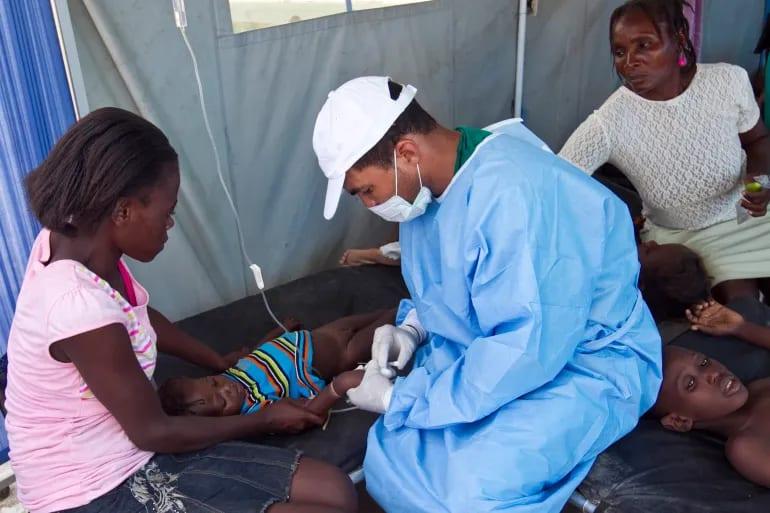
The United States has imposed new sanctions on Cuba's international medical missions program, which dispatches Cuban doctors to various countries and generates billions in revenue for the island nation. The sanctions target government enterprises and Cuban Health Minister Jose Angel Portal Miranda. The Trump administration claims the program amounts to 'forced labor' and 'human trafficking'. Cuba's Foreign Minister Bruno Rodriguez defended the missions, calling them a 'humane and fraternal service'. The program was projected to earn Cuba $7 billion last year, with around 24,000 healthcare professionals deployed in 56 countries, half of them in Venezuela.
US Claims of Forced Labor
In a statement, the US State Department accused Cuba of exploiting coercive laws and economic conditions to manipulate workers into labor export programs, confiscating between 50 and 95 percent of their wages. The Cuban government denies these allegations and highlights the program's benefits for less developed countries.
Background and Context
Cuba's international medical missions have been in operation for decades, providing healthcare services in remote and underserved areas globally. The program has been a source of national pride and a significant revenue stream for Cuba. However, it has faced increasing scrutiny and pressure from the US, particularly under the Trump administration.
Impact on Cuba and Global Health
The sanctions are expected to impact Cuba's economy and its ability to continue the medical missions program. The move has been criticized by international observers who argue that it undermines global health efforts and access to healthcare in less developed countries. The US maintains that the sanctions are necessary to address human rights concerns.