The United Nations' climate agency has warned that El Nino is here and will quickly develop into a strong event between July and September, heightening the likelihood of extreme weather globally. The World Meteorological Organization (WMO) urged countries to prepare for the impact as the climate phenomenon rapidly gains strength.
Rapid Development Expected
The WMO's monthly Global Seasonal Climate Update indicates a rapid development into a strong El Nino event during July-September. This classification places the event at the third-highest level out of four, signaling significant global weather impacts.
Global Weather Impacts
El Nino, which warms surface temperatures in the central and eastern equatorial Pacific Ocean, brings worldwide changes in winds, pressure, and rainfall patterns. It typically occurs every two to seven years and lasts around nine to 12 months. The WMO predicts above-average temperatures across most land areas between 60 degrees south and 60 degrees north, with above-normal rainfall in the southwestern United States and below-normal rainfall across the Indian subcontinent and much of Australia.
Amplified Effects of Climate Change
While there is no evidence that climate change increases the frequency or intensity of El Nino events, the WMO believes it can amplify the associated effects. A warmer ocean and atmosphere increase the availability of energy and moisture for extreme weather events, such as heatwaves and heavy rainfall.
Emergency Declarations and Preparedness
Peru has already declared a 60-day state of emergency in 800 of its 1,800 municipalities due to the imminent danger of heavy rains linked to El Nino. The WMO is stepping up early warning support to help guide preparedness, especially in climate-sensitive sectors like agriculture and health.
Why This Matters for Bangladesh
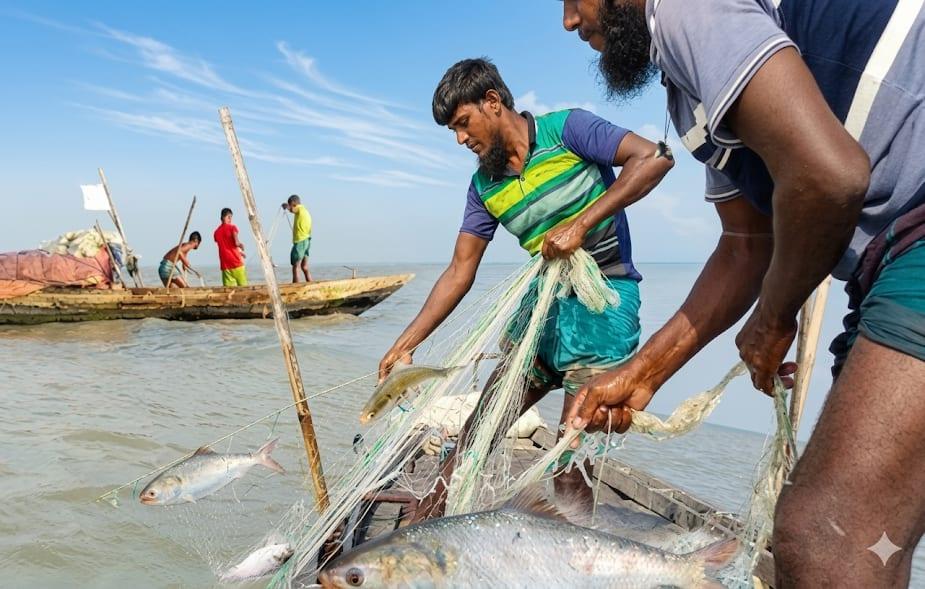
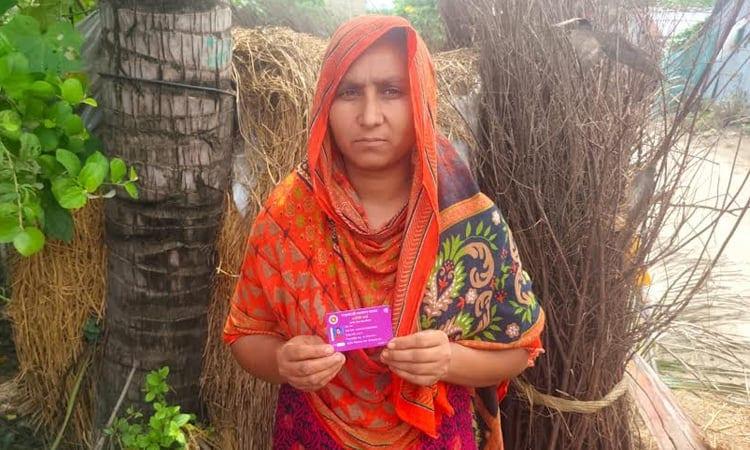
For Bangladesh, the development of a strong El Nino event could mean heightened risks of extreme weather, including potential droughts, floods, and heatwaves. The country's agriculture, which is highly sensitive to weather patterns, could face significant challenges. Early warnings and preparedness measures are crucial to mitigate the impacts and protect vulnerable communities.