NATO allies will highlight surging defence spending at the Ankara summit on Tuesday, hoping to appease US President Donald Trump after his frustration with Europe's response to the Iran war. The two-day gathering follows NATO members' pledge last year to increase security-related spending to five percent of GDP under US pressure. NATO chief Mark Rutte asserts that European countries are 'delivering' on their promise by enhancing military budgets and taking greater responsibility for continental defence amid Russian threats.
Showcasing Progress and New Deals
To impress Trump, NATO has prepared a series of headline-grabbing figures. A senior European diplomat, speaking anonymously, described the event as 'showtime.' At an industry forum ahead of the summit, leaders are expected to announce new arms deals worth tens of billions, demonstrating their commitment to increased defence spending. Canada's recent selection of Germany's Thyssenkrupp Marine Systems to build its new submarine fleet, a multi-billion-dollar program, underscores this effort.
Trump's Frustration and European Responses
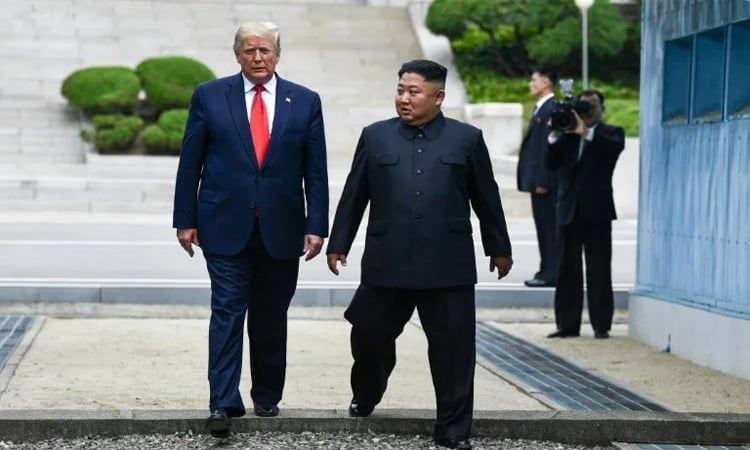
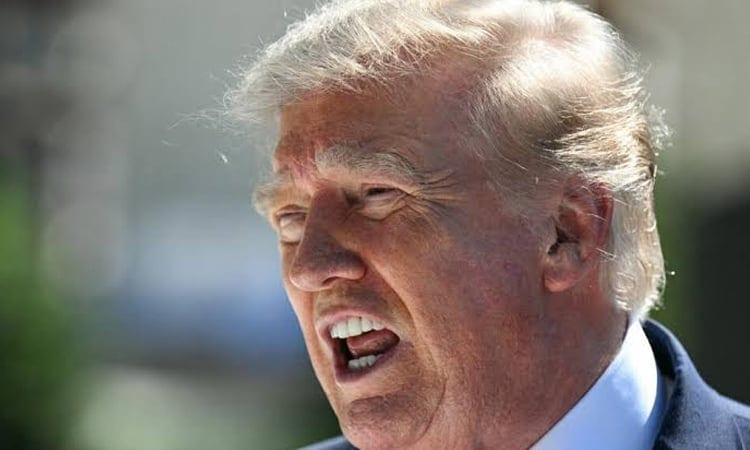
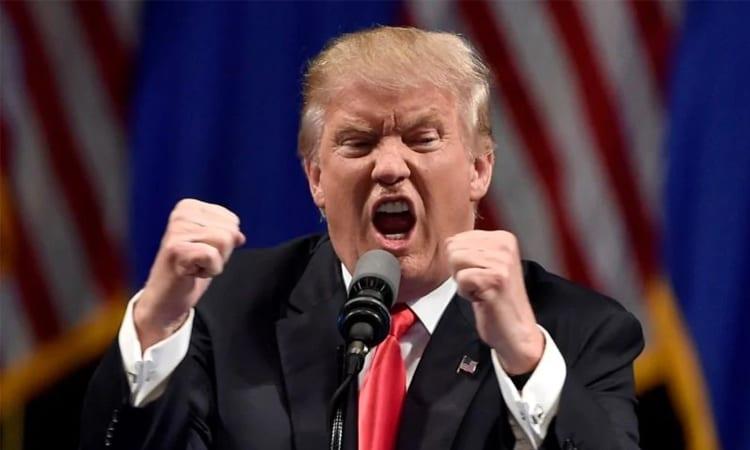
Trump remains frustrated with European allies for imposing restrictions on US forces using bases to attack Iran. He criticized allies on Truth Social, accusing them of not reciprocating the US's efforts. European leaders aim to avoid conflict with Trump, leveraging his good relationship with Turkish leader Recep Tayyip Erdogan and NATO chief Rutte's charm offensive to maintain his mood. However, Trump's recent disputes with other leaders, such as Italy's Giorgia Meloni, pose potential irritants.
Naval Mission and US-European Relations
European allies, led by France and Britain, have proposed a naval mission to assist in the Strait of Hormuz, shifting vessels closer to the region in preparation. The situation remains volatile, and Europeans seek clarity on the US-Iran deal before deploying their navies. While hoping for a conciliatory tone from Trump, European leaders acknowledge the US's gradual withdrawal from the alliance, pushing for greater European responsibility in continental defence.
Support for Ukraine and Future Implications
European nations have taken over the support of Ukraine almost entirely as Trump has reduced US aid. President Volodymyr Zelensky will secure a commitment from European backers at NATO to maintain at least 70 billion euros ($80 billion) of military aid to Kyiv annually in 2026 and 2027. Zelensky aims to convince Trump, who recently spoke with Russia's Vladimir Putin, that Kyiv is gaining ground in the war and should pressure Moscow into peace negotiations.