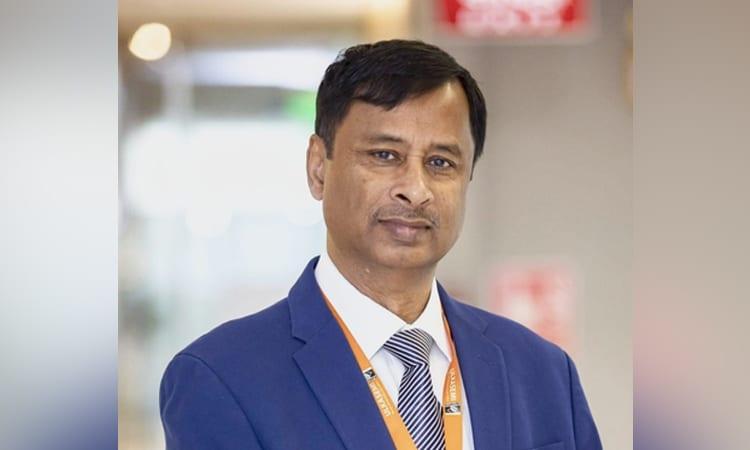
Bangladesh has the potential to emerge as a competitive global semiconductor design and engineering hub if the government's recent policy initiatives are complemented by long-term industry support, said Mohammed Enayetur Rahman, Chief Executive Officer (CEO) and President of ULKASEMI. In an interview, he said the country's growing pool of engineering graduates, competitive operating costs and expanding capabilities in chip design services have created a solid foundation for building a knowledge-based export industry.
Government Initiatives
Rahman welcomed the government's recent initiatives to promote the semiconductor sector, particularly the tax incentives announced in the national budget for the 2026-27 fiscal year, describing them as a "bold and welcoming first step" toward attracting investment in the industry.
Focus on Design and Services
He said Bangladesh should focus on semiconductor design, verification and testing & packaging services instead of capital-intensive chip fabrication, noting that local companies are already providing design services to leading global technology companies. ULKASEMI, founded in 2007, has grown into a global semiconductor design company with four international design centers and more than 600 engineers working on advanced semiconductor technology nodes.
Talent Base and Training
Rahman said Bangladesh produces around 45,000 to 50,000 engineering graduates every year, providing a strong talent base for the semiconductor industry. However, he stressed the need to improve practical training, as most graduates require additional industry-oriented training before becoming job-ready.
Policy Priorities
Highlighting policy priorities, Rahman called for a dedicated semiconductor development fund, longer-term tax holidays, export incentives for semiconductor design services, stronger university-industry collaboration and simplified procedures for imports, investment approvals and engagement of foreign experts.
Diaspora and Industry Growth
He also underscored the important role of Bangladeshi expatriate professionals in bringing technology, investment and international business networks to the country, saying stronger links between the diaspora, universities and industry would accelerate the sector's growth.
ULKASEMI's Role
Rahman said ULKASEMI plans to further expand its operations in Bangladesh through increased investment in workforce development and advanced training. He said the company's VLSI Training Institute is helping prepare graduates for high-skilled jobs by emphasizing practical learning with industry-standard electronic design automation (EDA) tools.
Future Prospects
He expressed optimism that with continued government support and policy consistency, Bangladesh could establish itself as a recognized destination for semiconductor design services, creating thousands of high-value jobs and diversifying the country's export basket beyond traditional sectors.