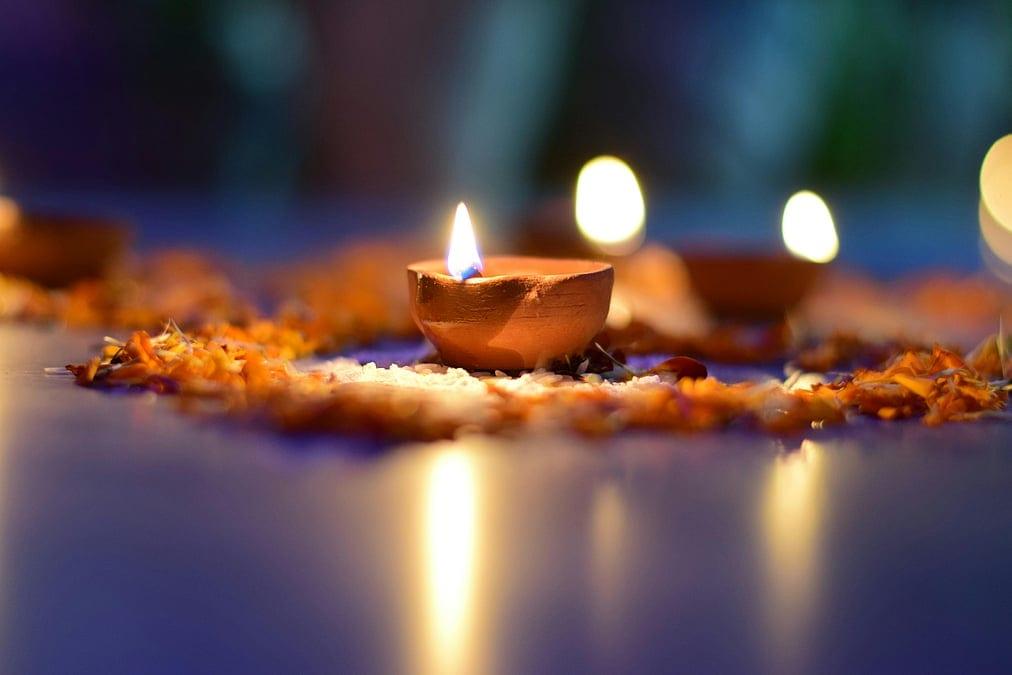
Mahalaya is a significant day in the Hindu calendar, marking the end of Pitru Paksha and the beginning of Devi Paksha. It is a day dedicated to remembering and honoring ancestors. On this day, Hindus perform tarpana, a ritual of offering water to the ancestors, to seek their blessings and ensure their peace. Mahalaya is also associated with the beginning of Durga Puja, one of the biggest festivals in Bengali culture. The day is marked by the recitation of the Chandi Path and the broadcasting of the Mahalaya programme on radio and television.
The Significance of Mahalaya
Mahalaya holds deep spiritual significance for Hindus. It is believed that on this day, the souls of ancestors visit their descendants to receive offerings and blessings. The ritual of tarpana is performed to ensure the peace and well-being of these souls. It is also a time for families to come together and remember their ancestors, reflecting on their contributions and legacy.
Cultural and Religious Practices
On Mahalaya, Hindus wake up early in the morning to perform tarpana at the banks of rivers or other water bodies. The ritual involves offering water, sesame seeds, and other offerings to the ancestors. The day is also marked by the recitation of the Chandi Path, a sacred text that narrates the story of Goddess Durga's victory over the demon Mahishasura. In Bengal, the Mahalaya programme, featuring the recitation of the Chandi Path and the singing of devotional songs, is broadcast on radio and television, waking people up early in the morning.