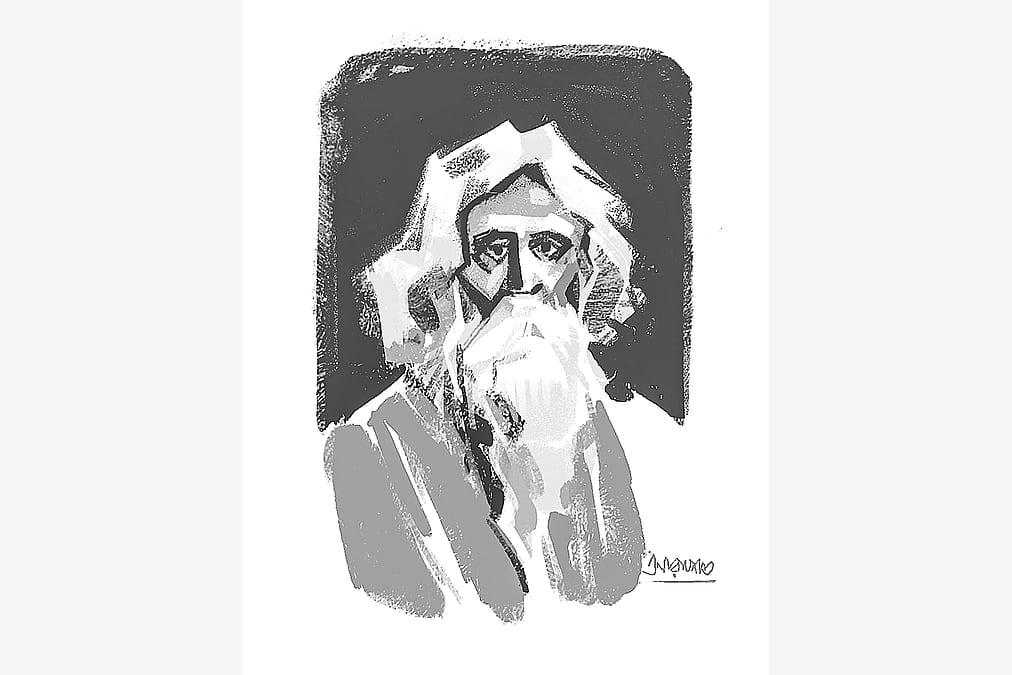
Durga Puja, a major festival for Bengali Hindus, holds a special place in the heart of Rabindranath Tagore, despite his belief in a formless God. He viewed the festival as a time when everyone's home becomes a communal space, transcending the distinctions between the form and the formless. The Tagore family, known for its intellectual and cultural contributions, had unique ways of celebrating Durga Puja, reflecting their deep-rooted traditions and values.
Maharshi Debendranath Tagore, Rabindranath's father, would often be away during the festival, but his wife would participate in the festivities. The festival was marked by the distribution of new clothes to family members, relatives, and even servants, a tradition started by Dwarkanath Tagore, who was known for his lavish celebrations. The festival was not just about rituals but also about community and togetherness.
Rabindranath Tagore's nephew, Abanindranath Tagore, described the Vijaya Sammilani, a gathering held at their home, as a joyous occasion with feasting, music, and celebrations. The idol of Durga was adorned with gold jewelry, and the festivities included traditional songs and dances. The festival was seen as a way to strengthen social bonds and promote harmony within the community.
Rabindranath Tagore's reflections on Durga Puja are deeply embedded in his literature. He saw the festival as a celebration of motherhood and the eternal bond between a mother and her child. The festival, for him, was a symbol of the universal love and compassion that transcends all boundaries. His writings often depicted the joy and sorrow associated with the festival, highlighting its significance in Bengali culture.