After indulging in heavy, spicy meals over several days, it's common to experience discomfort, bloating, constipation, and sudden weight gain. To counteract these effects, adopting mindful eating habits and lifestyle changes can help restore your body's natural rhythm.
Balanced Diet
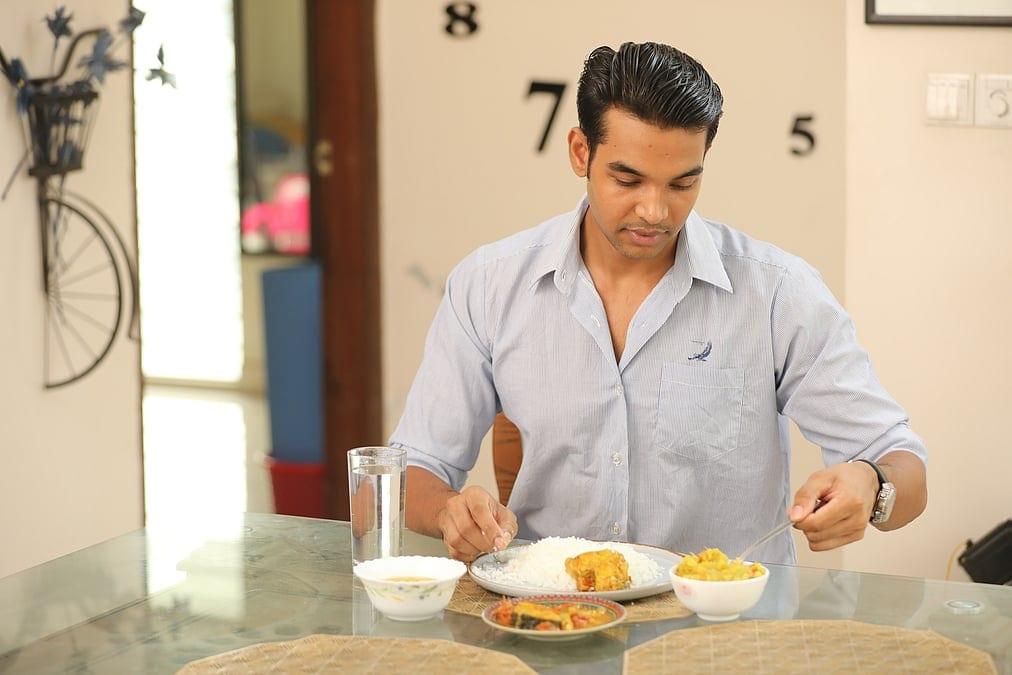
Incorporate easy-to-digest, low-oil foods into your meals. A balanced plate should include half vegetables and salads, a quarter protein (preferably fish, chicken, or lentils), and a quarter carbohydrates (rice, bread, oats, or other fiber-rich options). This approach helps control calorie intake and keeps you feeling full longer.
Hydration
Drinking enough water is crucial, especially since heavy meals often contain high salt content, leading to water retention. Aim for 8-10 glasses of water daily. Avoid drinking water during meals; instead, drink at least 20-30 minutes after eating. Opt for lemon water, coconut water, or plain water over sugary drinks.
Protein Intake
Maintain a balanced protein intake to avoid weakness and overeating. Include fish, chicken, eggs, lentils, chickpeas, yogurt, or soy-based foods in your daily diet to keep you satiated.
Fiber
Increase your intake of fruits (3-4 daily) and vegetables (3 times a day) to improve digestion and reduce constipation. Foods like cucumber, carrot, tomato, pumpkin, papaya, apple, plum, orange, banana, etc., help maintain metabolic activity.
Avoid Leftovers
Limit the consumption of leftover sweets, cakes, soft drinks, or fried foods. Cook smaller portions and finish them quickly. Reduce sugar in tea or coffee. These small changes can have significant long-term benefits.
Evening Meals
Opt for light dinners consisting of vegetables, salads, lentils, fish, or a small portion of rice/bread. Try to finish dinner by 8 PM. Remember, eating late and going to bed immediately after can hinder weight loss efforts.
Physical Activity
Incorporate more movement into your daily routine. Instead of rigorous exercise, aim for 30-45 minutes of walking daily. Use stairs instead of elevators and engage in light exercises. Walking for 10-15 minutes after meals aids digestion and helps regulate blood sugar levels.
Sleep
Ensure you get 6-7 hours of sleep each night. Irregular sleep patterns can affect hunger-regulating hormones, leading to overeating. Gradually return to your normal routine and avoid skipping breakfast or going long periods without eating.
Weight Management
Expect a temporary weight gain of 1-2 kg due to water retention after heavy meals. Avoid crash diets and instead focus on gradually adopting healthy habits. Patience and determination are key to weight management. With the right diet, exercise, and adequate sleep, you can regain your health.