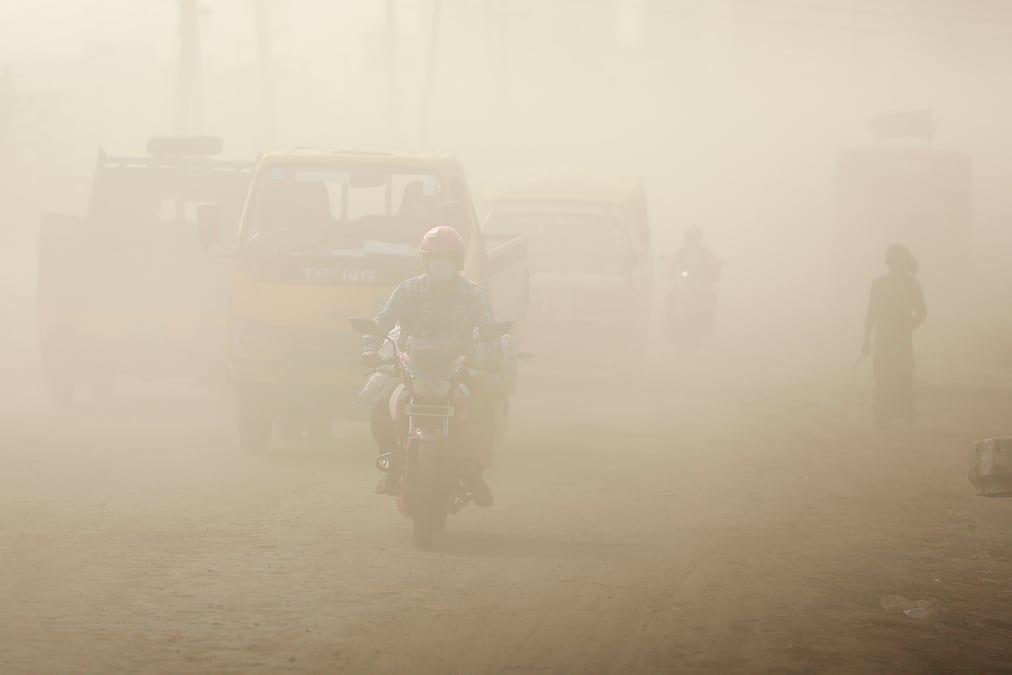
Environmentalists claim that the proposed budget for the fiscal year 2026-27 lacks a specific plan to control air pollution. Although the budget includes initiatives for monitoring air quality and controlling vehicle emissions, environmentalists argue that without addressing the primary sources of pollution, the situation will not improve. Ahmed Kamruzzaman Majumdar, Chairman of the Centre for Atmospheric Pollution Studies (CAPS), highlighted that while some positive steps are present, there is no comprehensive plan to reduce air pollution. He emphasized that major sources of Dhaka's air pollution, such as old vehicles, illegal brick kilns, construction dust, and industrial emissions, need to be controlled. Majumdar also noted that the budget does not address noise pollution, another significant issue in Dhaka. Environmentalists stress that effective measures such as removing polluting vehicles, modernizing or shutting down brick kilns, enforcing emission control technologies in industries, and controlling dust from construction are necessary to achieve desired results. They argue that despite the government's commitment to climate and environmental protection, the current budget focuses more on monitoring rather than controlling the primary sources of pollution.
FAQ
- What initiatives are included in the budget for air pollution?
- The budget includes initiatives for air quality monitoring and vehicle emission control.
- What are the primary criticisms from environmentalists regarding the budget?
- Environmentalists criticize the budget for lacking a comprehensive plan to control air pollution and not addressing the primary sources of pollution.