The Pulse Today
BREAKING
MP Azharul Islam Mannan Distributes Relief Funds to Needy Families in SonargaonParliament Proposes Anti-Gambling Bill with Maximum 7-Year Prison PenaltyOpenAI Unveils 'Schedule' Feature to Boost Task Management in AI ChatbotPrime Minister Tareq Rahman Arrives in Dalian, China for Economic ForumEurope Confronts Intense Heatwave; Conditions Predicted to DeteriorateGold Prices Rise Again in Bangladesh Amid Global Market IncreaseSpaceX's Nasdaq Debut Values Company at Over $2 Trillion, Surpassing AmazonStudy Reveals AI Data Centers Contribute to Local Temperature IncreasesNarayanganj BNP Youth Wing Holds Rally to Welcome New Central CommitteeMP Mannan Announces Special Plan to Promote Sonargaon GloballyZimbabwe's Electricity Supply Restored Following National Grid FailureFaruk Ahmed Appointed Additional IGP of Bangladesh Highway PoliceSouth Korea Implements Stricter Law to Combat Online False InformationBandarban Tourist Attractions Shut Down Due to Heavy Rainfall RisksDeadly Landslide in China's Gansu Province: 5 Killed, 12 MissingSalahuddin Ahmed Calls for Increased UN Support for Bangladeshi Peacekeeping DeploymentNine Police Officers Killed by Gunmen Near Mangi Dam Project in BalochistanSpain Declares Red Heat Alert for Aragon, Catalonia, and Valencia Amid Southern Europe HeatwaveRajshahi Introduces Eco Theatre to Boost Climate MovementsBorder Guard Bangladesh Seizes Tk 307.65 Crore in Smuggled Goods During JuneDhaka Police Arrest 406 Individuals, File 50 Cases in 24 HoursMessi vs. Salah: Argentina and Egypt Face Off in Crucial World Cup Last-16 MatchBangladesh Initiates 'Brain Circulation' Strategy to Harness Diaspora TalentsCoordinated Efforts Highlighted for Modernizing North Bengal's Bakery IndustryMP Sadique Reaz Visits Families of July Martyrs in Dinajpur, Offers Condolences

South Korea Implements Stricter Law to Combat Online False Information

South Korea has implemented a revised law targeting false information online, imposing stricter penalties on repeat offenders.

By Staff Correspondent
Share
South Korean law targeting false online information takes effect | International
BSS

South Korea began enforcing a revised law targeting false information posted online, toughening penalties for repeat offenders despite concerns over the impact on free speech. The law requires major platforms to set up new response systems and comes amid growing concern over digital misinformation, including high-profile cases involving celebrities.

Strict Penalties for Misinformation

Under the new law, users who intentionally spread illegal false or manipulated information could be ordered to pay up to five times the actual cost of damages. Repeat offenders whose content has been ruled illegal by courts face fines of up to one billion won ($655,000).

Platforms Must Implement New Systems

Platforms including South Korea's Naver and Kakao and US giants Google and Meta must introduce systems for users to report alleged false or manipulated information. They are also required to publish transparency reports every six months detailing complaints and actions taken.

Concerns Over Free Speech

Opposition politicians, civic groups, and media experts warn the law could chill free speech and open the door to government-influenced censorship. The lack of a clear legal definition for false or manipulated information could create uncertainty and invite overly broad legal enforcement.

High-Profile Cases and Misinformation Surge

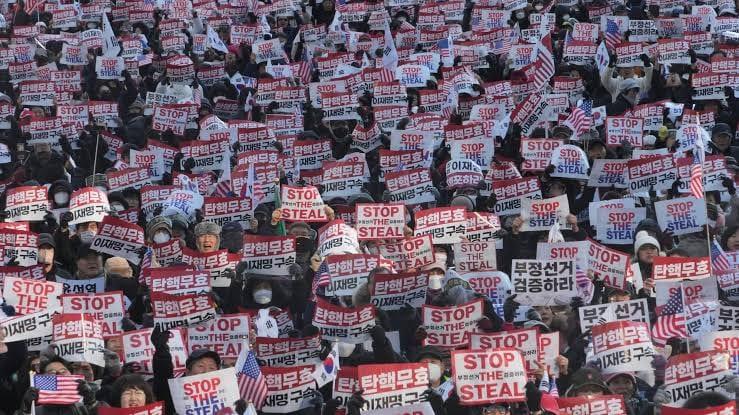
South Korea saw a surge in online misinformation following the botched 2024 martial law attempt, including unsubstantiated allegations of Chinese interference in the electoral system. Separately, a right-wing YouTuber was indicted for using AI-generated audio to falsely claim that actor Kim Soo-hyun had dated a late actress while she was a minor.

Why This Matters

The implementation of this law highlights the global challenge of tackling online misinformation. For Bangladesh, it serves as a case study on the balance between combating false information and protecting free speech. As digital platforms grow in influence, countries are increasingly seeking ways to regulate content without stifling legitimate discourse.

Source: BSS

FAQ

What are the penalties for spreading false information online in South Korea?
Users could be ordered to pay up to five times the actual cost of damages, and repeat offenders face fines of up to one billion won ($655,000).
Are there any concerns about the new law?
Yes, opposition politicians, civic groups, and media experts warn it could chill free speech and lead to government-influenced censorship.

Topics

Comments

More in World

See all →

Latest stories