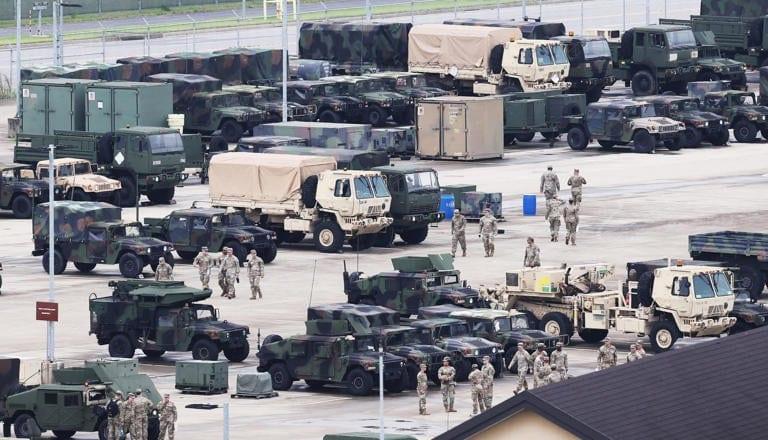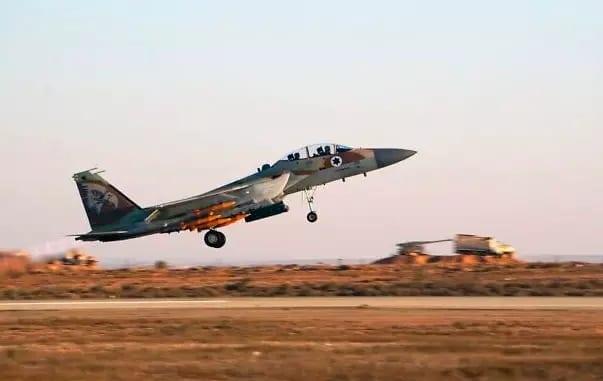
German industrial orders unexpectedly rebounded in May, rising 1.9 percent from April, according to preliminary figures from statistics agency Destatis. This increase surpassed analysts' predictions of a one-percent fall and followed a sharp drop in April. The rise was driven by an 85-percent surge in transport equipment orders, which include military vehicles, aircraft, ships, and trains.
Key Indicator of Future Business Activity
New orders, a key indicator of future business activity, are crucial for assessing the health of Europe's top economy. The economy ministry noted that incoming orders in the manufacturing sector appear to have resumed the upward trend that began in the second half of 2025. However, the ministry also warned that developments remain highly volatile due to ongoing geopolitical uncertainties.
Geopolitical Uncertainty and Energy Costs
The rebound in orders comes amid elevated geopolitical uncertainty, particularly due to the ongoing Middle East war. The conflict has sent energy costs surging, placing an extra burden on German industry, which has been struggling with weak demand and fierce competition. However, pressure on European economies has eased somewhat since Washington and Tehran agreed to a preliminary deal to end the conflict.
Breakdown of Orders
Foreign orders increased by 2.2 percent in May, while domestic orders rose by 1.3 percent. The significant increase in transport equipment orders is likely linked to Germany's efforts to rebuild its armed forces, leading to a jump in defense equipment orders. ING economist Carsten Brzeski suggested that German firms may have benefited from orders being rerouted to Europe as Asian competitors faced disruptions affecting the Strait of Hormuz.
Caution Despite Encouraging Data
Despite the encouraging data, Brzeski cautioned that order books are recovering only gradually. The government continues to warn of continued headwinds due to geopolitical uncertainty, emphasizing the need for caution in interpreting the rebound as a sign of full recovery.
Significance for Bangladesh
For Bangladesh, the rebound in German factory orders is significant as it indicates a potential stabilization in one of its major trading partners. A stable German economy can lead to increased demand for Bangladeshi exports, particularly in the textile and garment sectors. Additionally, the easing of geopolitical tensions could lead to more predictable global supply chains, benefiting Bangladesh's export-oriented economy.