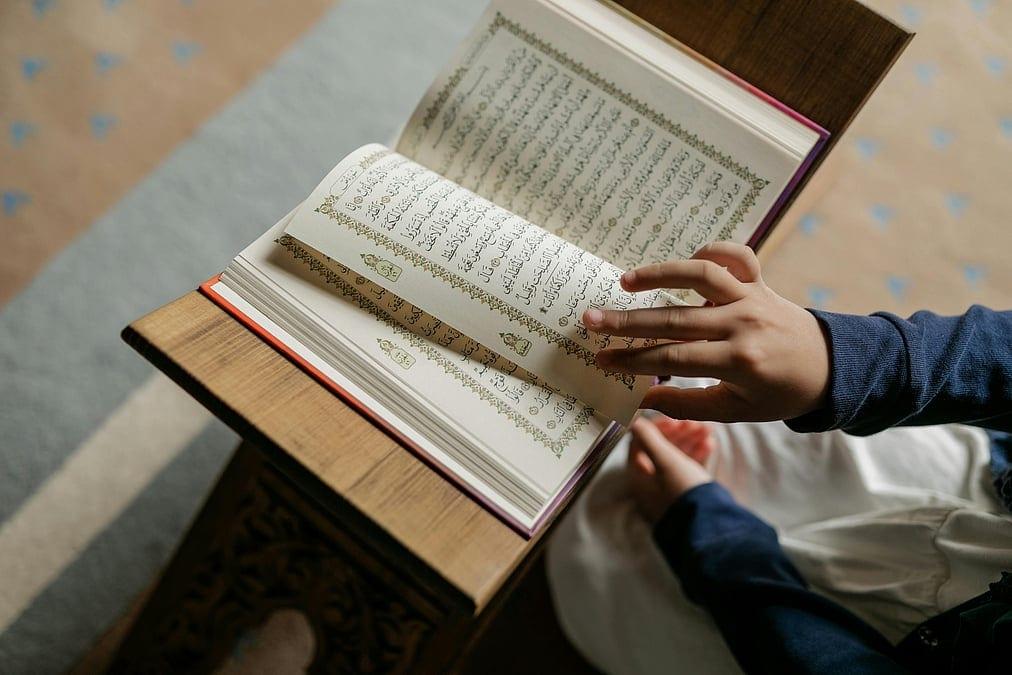
The compilation of the Quran is a pivotal event in Islamic history, ensuring the purity and preservation of this sacred text. Following the death of Prophet Muhammad (PBUH), the first Caliph, Abu Bakr, oversaw this monumental task. The impetus for this compilation arose from the context of the Battle of Yamama, where many memorizers of the Quran were martyred. Concerned about the potential loss of the Quranic text, Hazrat Umar advised Abu Bakr to compile the Quran. Abu Bakr entrusted this responsibility to Zaid ibn Thabit, a young and trustworthy Sahabi known for his intelligence and prior experience as a scribe of the Prophet's revelations. Zaid collected the Quranic verses from various sources, including written fragments and the memories of Sahabis, ensuring that each verse was authenticated by those who had memorized it under the Prophet's guidance. This meticulous process guaranteed the Quran's preservation in its original form.
FAQ
- Who was responsible for the compilation of the Quran?
- Caliph Abu Bakr oversaw the compilation, entrusting the task to Zaid ibn Thabit.
- What prompted the compilation of the Quran?
- The martyrdom of many Quran memorizers in the Battle of Yamama prompted Hazrat Umar to advise Abu Bakr to compile the Quran.