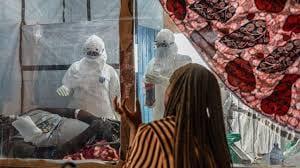
The World Health Organization (WHO) has announced that trials of two separate therapeutic treatments to combat the deadly Ebola outbreak in the Democratic Republic of Congo (DRC) are set to begin next week. The trial will evaluate the effectiveness of two antivirals, MBPC-134 and Remdesivir, in reducing mortality among patients infected with the Bundibugyo strain of Ebola, which is responsible for the current outbreak. The treatments will be tested both individually and in combination.
Details of the Trial
WHO Director-General Tedros Adhanom Ghebreyesus revealed the details during a press conference in Geneva. The trial aims to determine whether these antivirals can significantly lower the mortality rate among Ebola patients. The Bundibugyo strain, although less common than other strains, has proven to be highly lethal, making the trial a critical step in the fight against the ongoing outbreak.
Background on Ebola
Ebola is a severe and often fatal illness caused by the Ebola virus, which was first identified in 1976. The virus is transmitted to people from wild animals and spreads through human-to-human transmission via direct contact with the blood, secretions, organs, or other bodily fluids of infected people. The current outbreak in the DRC has seen a resurgence of the Bundibugyo strain, prompting urgent action from global health organizations.
Importance of the Trial
The trial of MBPC-134 and Remdesivir is crucial as it may offer new hope for treating Ebola patients. If successful, these treatments could be a game-changer in managing the outbreak and saving lives. The WHO's swift action in initiating these trials underscores the global commitment to combating this devastating disease.