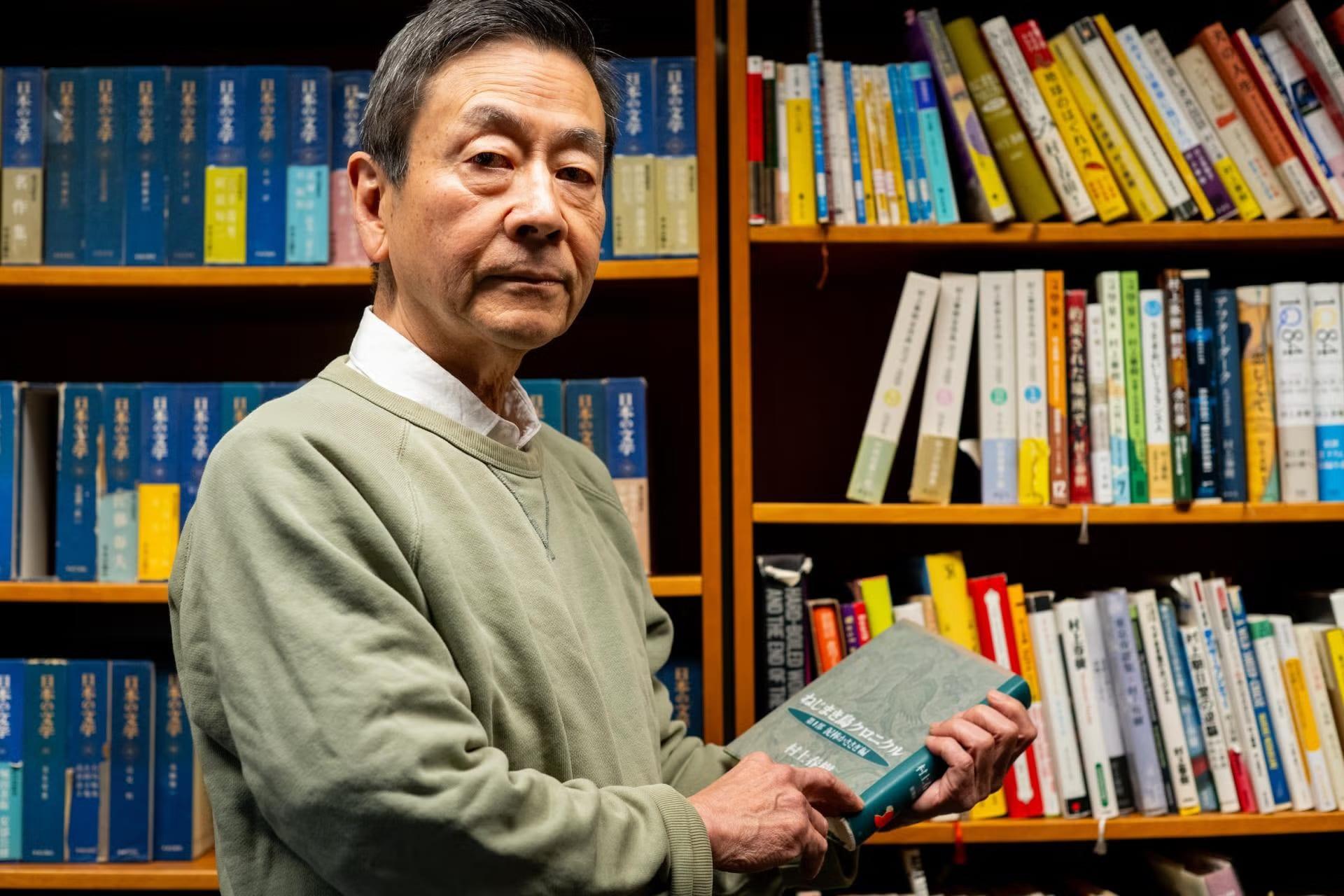
Haruki Murakami has asserted that his novels are "completely different" from what AI can create. This statement comes as his latest book, 'The Tale of KAHO', was released in Japan.
Distinct Writing Process
In an interview with Kyodo News, Murakami explained that while AI draws analogies from existing data, his writing process involves bringing in new, spontaneous ideas that suddenly come to mind. 'The role of a novelist is to drag in something new that suddenly flashes into your mind,' he said.
New Novel with Female Protagonist
'The Tale of KAHO' marks a significant departure for Murakami, as it features a female protagonist for the first time in his full-length novels. The book went on sale at midnight in Tokyo, with dozens of fans queuing to purchase it.
Influence of Women's Perspectives
Murakami mentioned in an interview with the Asahi Shimbun that his time spent at Wellesley College, a women's college in the United States, influenced his writing. He noted that women's perspectives are currently highly valued, which had an impact on his latest work.
Exploring New Themes
The author, known for his intricate tales about the absurdity and loneliness of modern life, also revealed that he always feels an urge to try something new with each novel. This time, he explored the parent-child relationship, a theme he had not previously focused on.
Why This Matters
Murakami's comments highlight the ongoing debate about the role of AI in creative fields. His assertion that human creativity cannot be replicated by machines underscores the unique value of human authors. For readers in Bangladesh and around the world, this discussion is crucial as it touches on the future of literature and the importance of preserving human creativity in an increasingly automated world.