DHAKA — The government has announced a series of initiatives to develop Bangladesh's creative economy, aiming to unlock the sector's economic potential, generate employment and promote entrepreneurship across the country. The initiatives, unveiled in the national budget for fiscal year (FY) 2026-27, include the establishment of Creative Hubs at the national and regional levels, the identification and development of creative economy-based products, design support, and dedicated financial assistance.
Experts believe the move will create new employment opportunities for hundreds of thousands of people, particularly youths, artists, artisans and creative entrepreneurs. The government has set a target of increasing the creative economy's contribution to the country's gross domestic product (GDP) to 1.5 percent while creating around 500,000 new jobs.
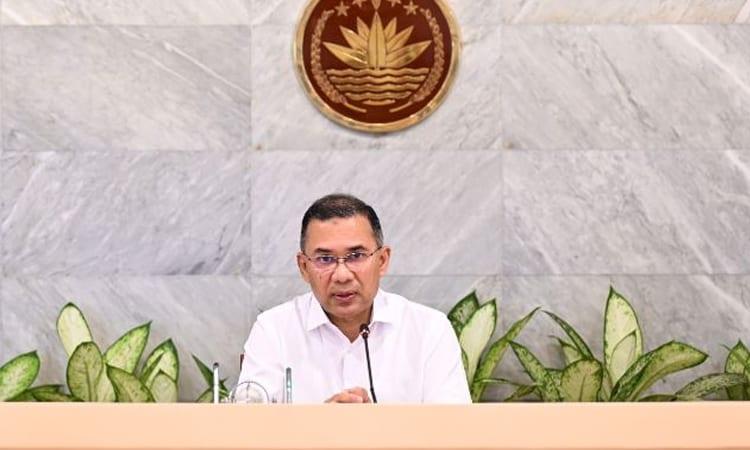
An initial allocation of Tk 300 crore has been earmarked in the FY2026-27 budget for the development of the sector. In addition, another Tk 500 crore is expected to be mobilized from Bangladesh Bank's Corporate Social Responsibility (CSR) fund. In his budget speech, Finance Minister Amir Khosru Mahmud Chowdhury said the government is attaching special importance to the creative economy to harness the vast economic potential of the country's creative industries and integrate them into the mainstream economy.
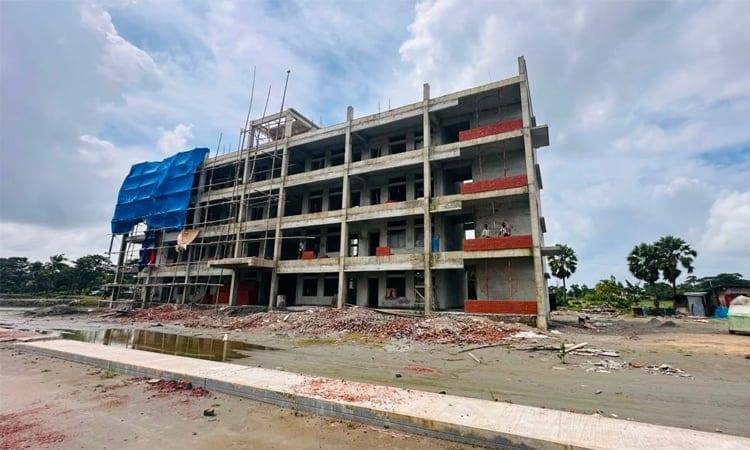
He said Creative Hubs would be established at the divisional, district and upazila levels, as well as on the premises of the Bangladesh Shishu Academy and the Bangladesh Shilpakala Academy. The hubs will feature cultural stages, bookstores with reading facilities, cineplexes, small cafeterias, and dedicated spaces for displaying and marketing local specialty products, he added.
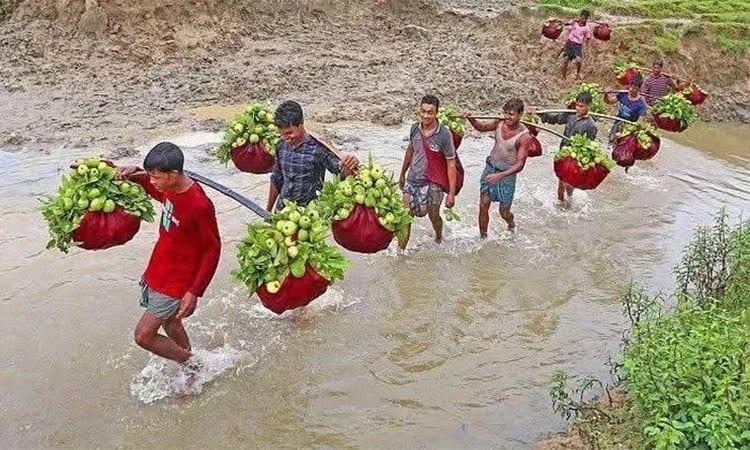
The government also plans to identify and promote creative economy-based products under its "One Village, One Product" initiative. These include handloom products, pottery, weaving, shital pati, shataranji, wooden toys, handmade jewellery, terracotta, and other traditional crafts. Director General of the Bangladesh Shilpakala Academy, poet Rezauddin Stalin, told BSS that the initiative would create significant employment opportunities for artists, performers, and people involved in production and event management.