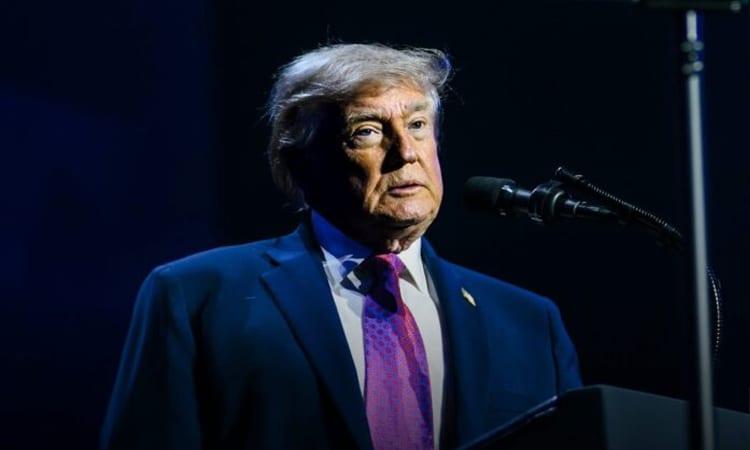
US President Donald Trump has threatened to annihilate Iran if the United States is forced to resume the war, amid escalating tensions and renewed attacks in the Middle East. This threat comes after a series of retaliatory strikes between the US and Iran, straining an already fragile ceasefire brokered by Pakistan in mid-June. The exchanges have underscored the precariousness of the peace process aimed at ending the war, which began in February and has disrupted global energy markets by affecting shipping through the Strait of Hormuz.
Renewed Attacks and Ceasefire Violations
Tehran reported carrying out a third day of retaliatory strikes against US attacks on Iranian territory, with both sides accusing each other of violating the ceasefire. Iran's Revolutionary Guards announced measures to control traffic in the Strait of Hormuz, warning that violating vessels would face stricter enforcement. The Guards also claimed to have carried out strikes in Kuwait and Bahrain, targeting US military facilities.
In response, US forces struck multiple Iranian targets, including missile and drone storage locations and coastal radar sites, following an Iranian drone attack on a Panama-flagged oil tanker. The US Central Command stated that these strikes were in retaliation for the attack on the tanker, which was carrying two million barrels of crude oil.
Regional Tensions and the Ceasefire Agreement
The memorandum of understanding signed in mid-June under Pakistan's mediation aimed to put a lasting end to the war. The text signed by the United States and Iran stipulated that both countries and their respective allies were not to initiate any war or military operation against each other and to refrain from the threat or use of force. However, the recent attacks indicate a significant challenge to this agreement.
Israel's involvement in the conflict has further complicated the situation. Israel launched strikes in Lebanon, while Hezbollah's leader Naim Qassem rejected a deal to end the conflict in Lebanon, calling it 'humiliating, shameful and a surrender of sovereignty.' This rejection threatens to derail the wider US-Iran peace effort.
Expert Analysis and Future Prospects
H.A. Hellyer of the Royal United Services Institute suggested that Iran is likely to continue low-level coercive activity in the Strait of Hormuz to pressure international shipping without triggering a wider conflict. He noted that the upcoming US midterm elections in November may incentivize Washington to reach a quicker agreement, while Iran might benefit from drawn-out negotiations accompanied by controlled pressure in the strait.