The Cave of the Patriarchs in Hebron, a site holy to Jews, Muslims, and Christians, remains a focal point of tension between Israelis and Palestinians. Believed to be the burial place of biblical figures including Abraham, the site embodies the competing claims that define Hebron, the largest city in the Israeli-occupied West Bank.
A Sacred Site Under Israeli Control
Known to Muslims as the Ibrahimi Mosque, the shrine is located within a heavily controlled area where around 40,000 Palestinians live alongside about 200 Israeli settler families. The site operates under separate systems of movement and security, with Israeli authorities installing checkpoints, gates, and patrols across key streets, citing security concerns.
Shift in Administration Sparks Alarm
Recently, Israel's far-right Finance Minister Bezalel Smotrich announced that the shrine's administration, including planning and construction powers, would be transferred to Israeli authorities. This significant shift has alarmed Palestinians but has been cheered by Israeli settlers.
Diverging Perspectives
For Israeli settler Nitzan, the site is a must-see for all of humanity, a place to visit and give thanks. In contrast, Palestinian Issa Amro views the shrine as a symbol of Israel's expanding grip on the city, feeling confined by checkpoints and restricted movement.
Economic and Social Impact
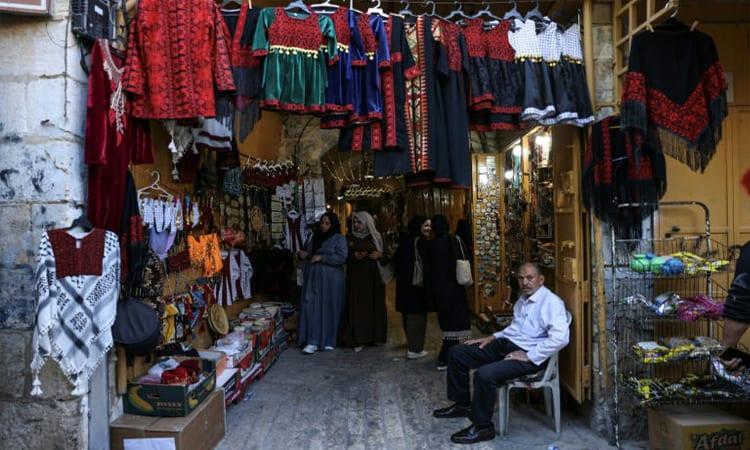
The tensions have had a profound impact on the local economy and social fabric. Many Palestinian shops in Hebron's Old City have closed, and the once vibrant area now stands largely empty. Amro, an activist living near settler-occupied buildings, often faces harassment from settlers and Israeli soldiers.