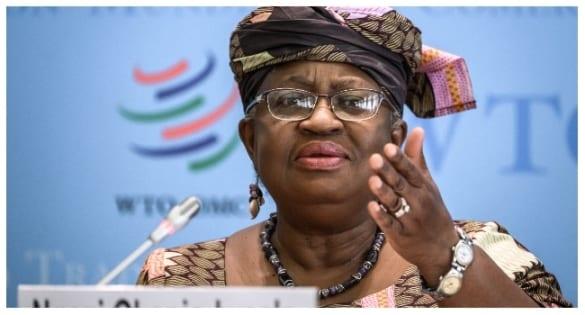
The FIFA World Cup 2026, hosted by the United States, Canada, and Mexico, is expected to generate an economic output of approximately $8.1 billion, according to a joint study by FIFA and the World Trade Organization (WTO). However, independent economists caution that the actual economic benefit may be less than projected. The tournament, featuring a record 48 teams and 104 matches, is set to significantly boost global GDP by $4.9 billion and create 824,000 full-time jobs worldwide. The United States, hosting the majority of matches, is expected to gain the most, with an estimated $1.4 billion in spending by tourists and $940 million in tax revenue. Ticket prices and hotel rates have surged, with the cheapest group stage ticket starting at $700 and the most expensive final ticket exceeding $10,000. FIFA anticipates $1.9 billion in revenue from broadcasting rights and sponsorships. Despite potential economic challenges, the tournament promises to be a significant financial event for the host nations.
FAQ
- Which countries are hosting the FIFA World Cup 2026?
- The United States, Canada, and Mexico.
- How many teams will participate in the FIFA World Cup 2026?
- 48 teams.
- What is the expected economic output from the tournament?
- Approximately $8.1 billion.