The propagation of Christianity in Bengal began in the 16th century with the arrival of Portuguese seafarers. They were the first to introduce Christianity to the region. In 1577, Mughal Emperor Akbar allowed the Portuguese to establish permanent settlements and build churches in Bengal. The Portuguese settlers were the first Christians in Bengal, and the local Christians are their descendants. Over time, missionary efforts led to the spread of Christianity and an increase in the Christian population.
Christmas, celebrated worldwide on December 25, commemorates the birth of Jesus Christ. The Christian calendar began with Jesus's dedication at the Jerusalem Temple according to the religious customs of the time. Early Christians believed that Jesus entered the womb of the Virgin Mary nine months before this date, and thus December 25 is recognized as his birthdate, celebrated globally as Christmas.
With the spread of Christianity in Bengal, the celebration of Christmas also began. The Portuguese, upon their arrival, started celebrating their religious festivals, especially Christmas. This tradition of celebrating Christmas in Bengal was established and later adopted by the local Christian community, symbolizing the core values of Christianity.
The central message of Christmas is love, peace, and service to humanity. The birth of Jesus Christ is seen as a manifestation of God's selfless love for mankind. His teachings encourage people to love one another, forgive, and help the needy. Bengali Christians strive to reflect these values in every aspect of their lives.
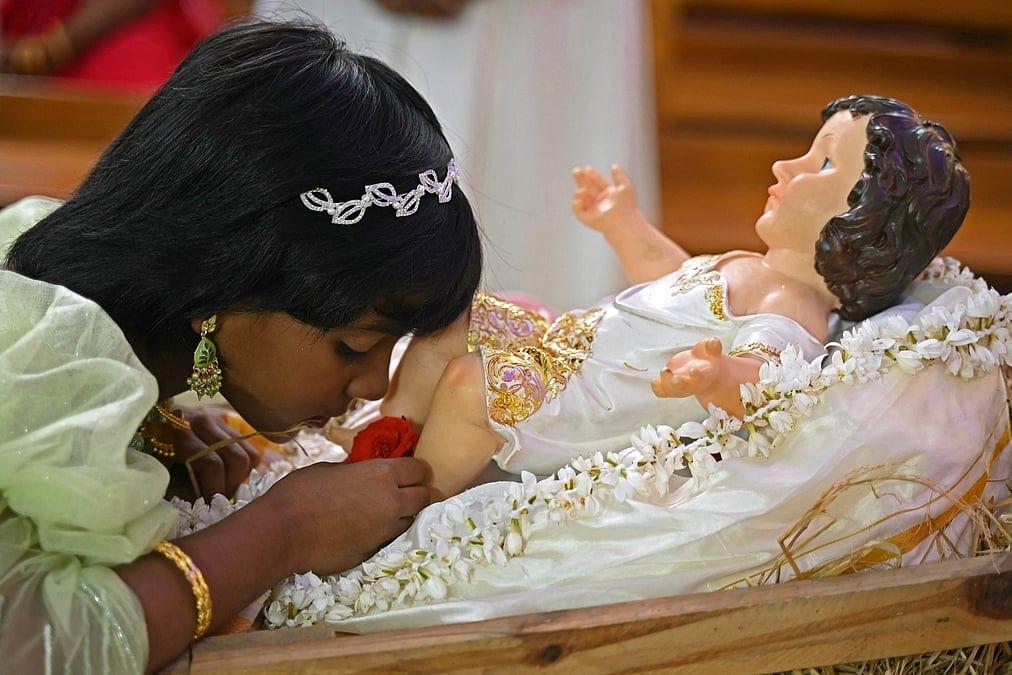
The Bengali Christian community places special emphasis on celebrating Christmas. Special prayer services are held in churches, where the story of Jesus's birth is read from the Bible and his teachings are discussed. Family members gather for prayer and prepare special meals. Christmas cake, sweets, and other Bengali dishes enhance the joy of the festival.
Christmas is not limited to the Christian community; it has become a universal festival in Bengali culture. People of various religions participate in the celebrations, symbolizing social cohesion and harmony. During Christmas, various social and charitable activities are organized to support the poor and needy.
Bengali Christians celebrate Christmas with a blend of tradition and modernity. Church prayers, carol singing, and dance-songs are accompanied by decorating Christmas trees, drawing alpona, exchanging gifts, and lighting decorations. Thus, Bengali Christians celebrate Christmas by equally valuing their religious values and cultural traditions.
In recent years, people of other faiths in Bangladesh have also started participating in Christmas celebrations. Special programs are broadcast on television and radio, spreading the joy of the festival across all communities. Print and social media feature special Christmas events, providing an opportunity for everyone to learn about Christianity.
Various social and cultural organizations also organize special events on Christmas, exemplifying communal harmony in the country. Theme parks, zoos, and museums are visited, restaurants host feasts, and small Christmas parties are held at homes, allowing everyone to join in the celebrations.
Christmas holds a special place in the lives of Bengali Christians as a symbol of spirituality, culture, and social cohesion. Through this festival, they reflect the teachings of Jesus Christ in their lives while preserving the traditions of Bengali culture.
Saint Luke, in his Gospel, describes the birth of Jesus Christ with the words, 'Glory to God in the highest, and on earth peace, goodwill toward men.' The Christmas tradition among Bengali Christians reflects Christian values and spreads a message of peace and harmony in society.