DHAKA - State Minister for Primary and Mass Education Bobby Hajjaj announced today that the government is constructing an integrated and modern education system aimed at developing the new generation into globally competitive, skilled, creative, and patriotic citizens.
Beyond Textbooks
The new system will go beyond traditional textbooks by providing teacher guides, workbooks, remedial guides, and video lessons for every subject. This approach will enable students to learn both inside and outside the classroom.
Workshop and New Textbooks
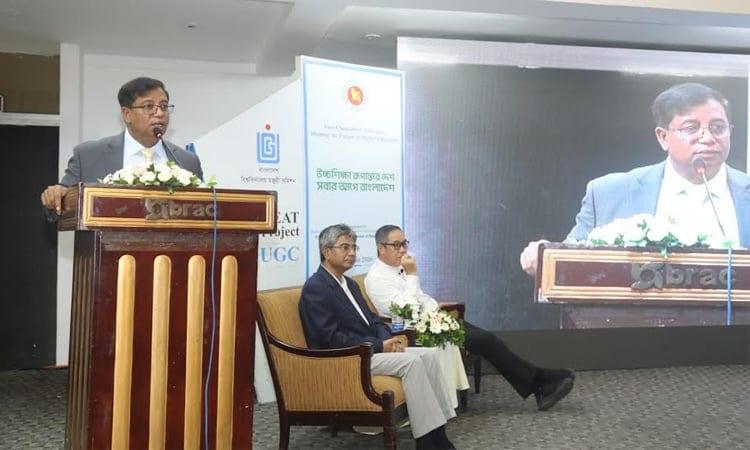
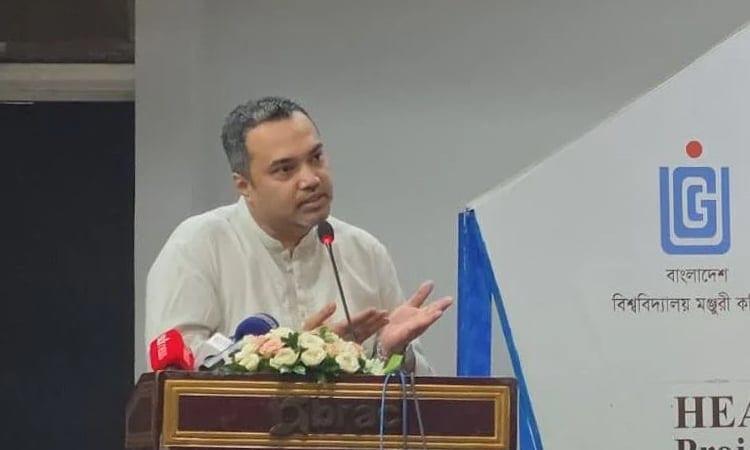
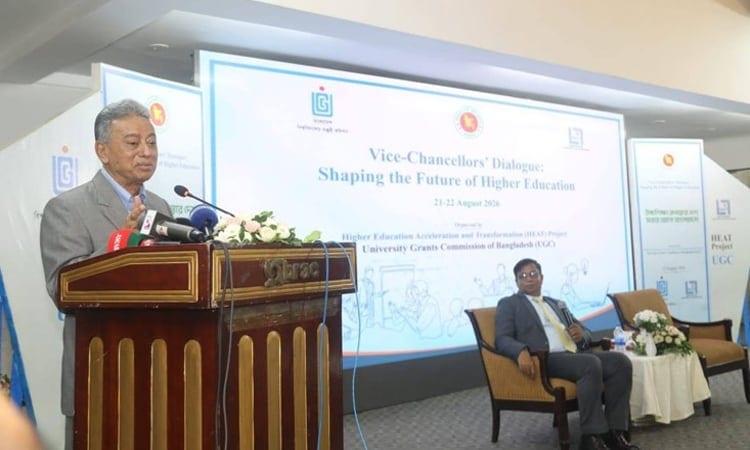
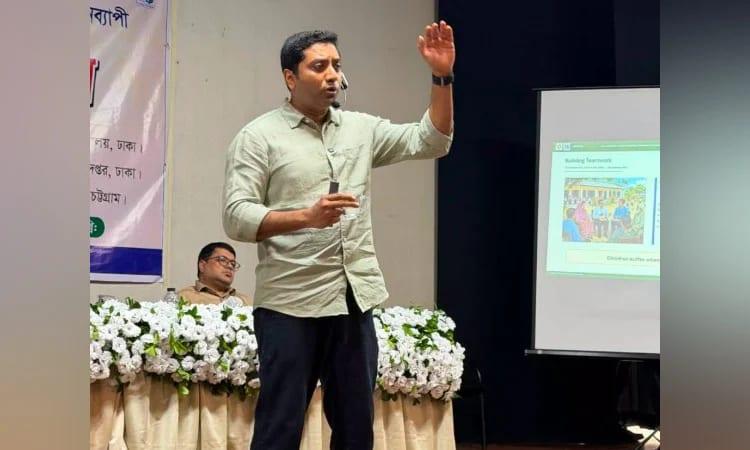
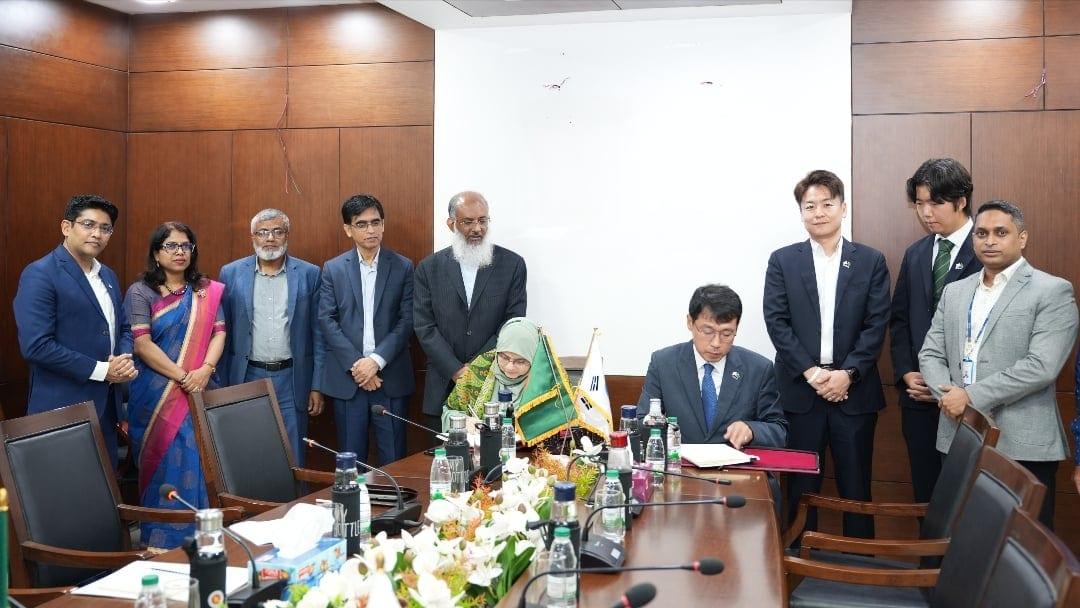
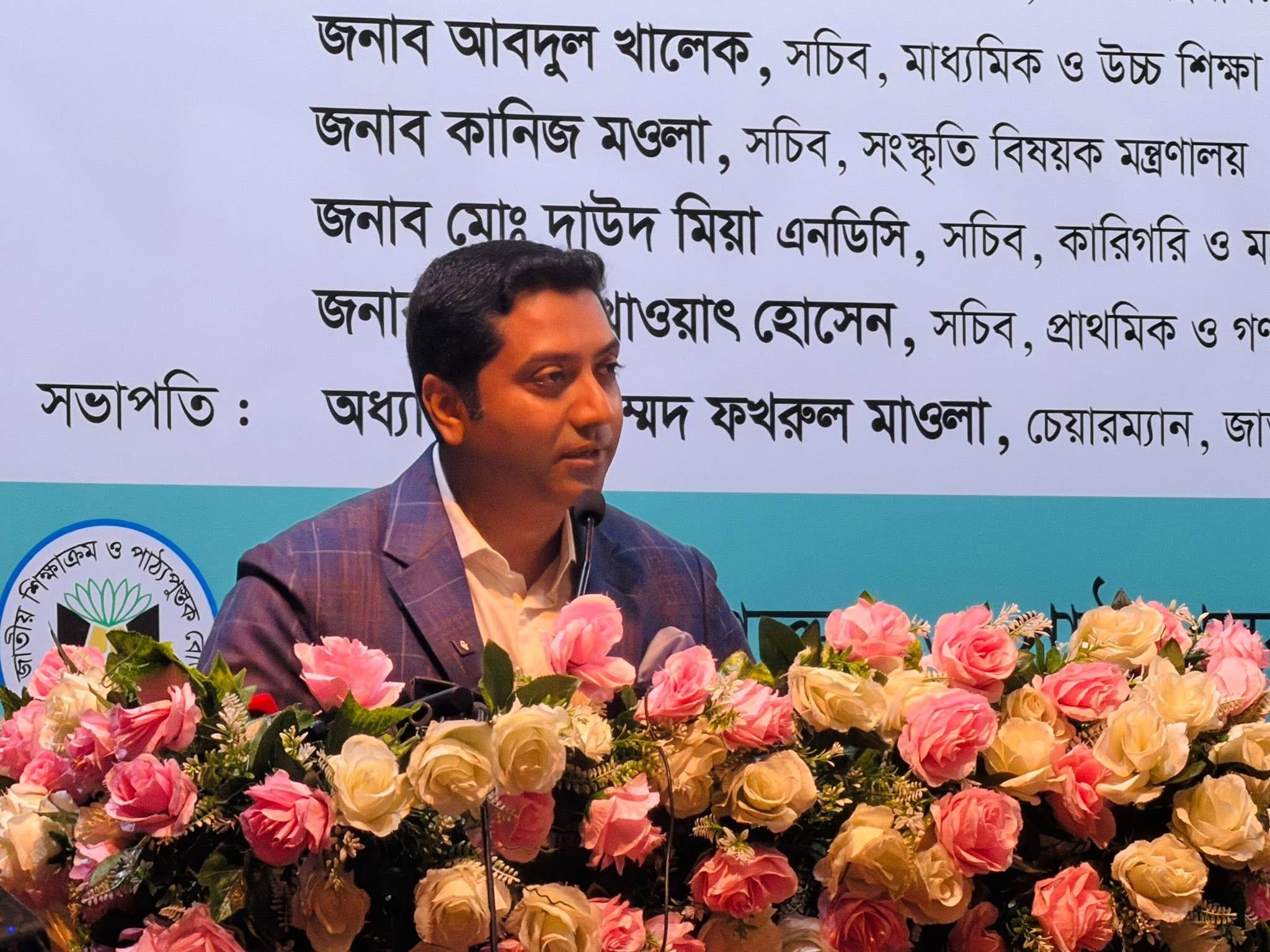
Hajjaj made these remarks while speaking as the special guest at the inauguration of a workshop to finalize the framework of four new primary and secondary-level textbooks for the 2027 academic year at the International Mother Language Institute in Segunbagicha, Dhaka.
Prime Minister's Vision
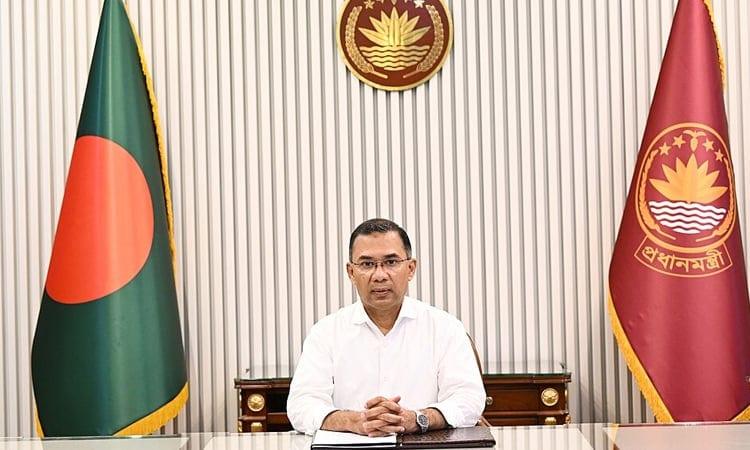
He highlighted that Prime Minister Tarique Rahman has declared education the country's largest investment for building a New Bangladesh. In line with this vision, the government is working to introduce a modern, competency-based, and internationally aligned national curriculum by 2028.
Shift from Rote Learning
The new curriculum aims to move students away from rote learning by placing greater emphasis on practical skills, problem-solving ability, leadership, teamwork, creativity, and moral values. It will also strengthen the link between education and real-life applications by giving greater importance to practical learning alongside theoretical knowledge.
Cultural and Sports Education
Hajjaj stressed that cultural and sports education would play a vital role in the physical, mental, and moral development of students. Through cultural education, learners will gain a deeper understanding of Bangladesh's history, heritage, values, and national identity while developing their creative talents. Sports education will help foster leadership, discipline, cooperation, teamwork, and healthy lifestyles.
Teacher Training
The state minister also emphasized that teacher training would receive the highest priority for the successful implementation of the new curriculum. Considering the realities of nearly 65,000 government primary schools across the country, the curriculum is being designed to be practical, implementable, and free from placing excessive academic pressure on students.