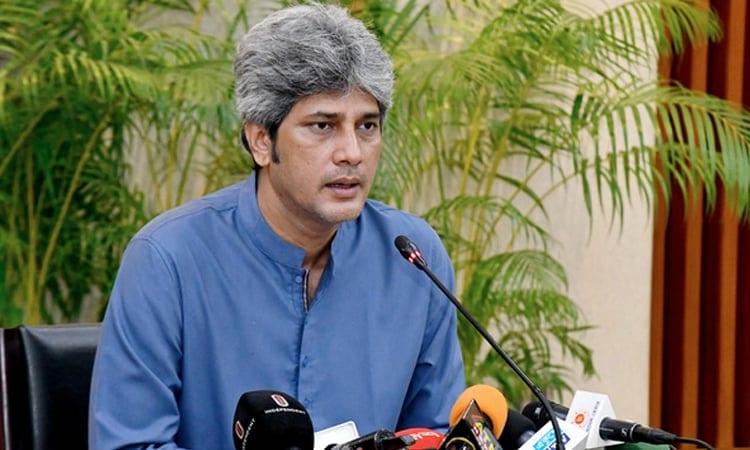
State Minister for Planning Md. Zonayed Abdur Rahim Saki announced the government's goal to build an investment-driven and productive economy, aiming to generate large-scale employment through structural reforms, improved project implementation, and enhanced public investment efficiency.
Government's Strategic Vision
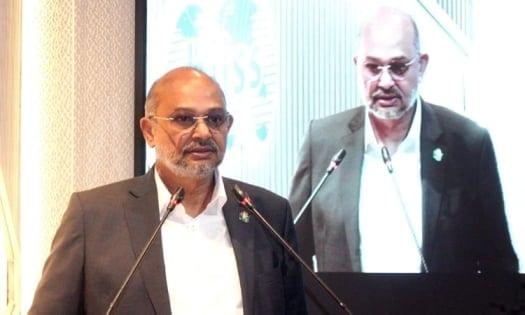
Speaking at a seminar organized by the Bangladesh Institute of Development Studies (BIDS), Saki highlighted that the government is committed to creating an investment-driven and productive economy. This vision is evident in the budget and various policy measures.
Alignment with Election Manifesto
Saki mentioned that the government is aligning all development programs with its election manifesto and a five-year development and reform strategy, expected to be unveiled before August 17. The Annual Development Programme (ADP) is being reviewed to ensure alignment with the manifesto and strategy paper.
Addressing Structural Inefficiencies
The state minister pointed out past weaknesses in project planning, noting that many projects were approved without proper coordination, leading to resource waste. The government is transitioning from a piecemeal project approach to a programme-based approach to ensure related projects are implemented together.
Digital Initiatives and Data Integrity
Saki revealed that the government is integrating digital initiatives to develop an interoperable national data system. Efforts are underway to modernize the Bangladesh Bureau of Statistics (BBS) and establish an integrated and interoperable data system, ensuring data integrity and transparency in public spending.
Investment Priorities and Financial Sector Reforms
The government has identified several sectors, including information and communication technology (ICT), electronics, light engineering, agro-processing, and semiconductors, as new growth engines. Saki also outlined measures to restore confidence in the financial sector by preventing political interference in banks, supporting viable industries, and improving monetary and fiscal policy coordination.
Human Capital and Social Protection
Investment in education, healthcare, and housing remains central to improving human capital and long-term productivity. Universal social protection programs will be expanded to minimize exclusion and reduce opportunities for irregularities.