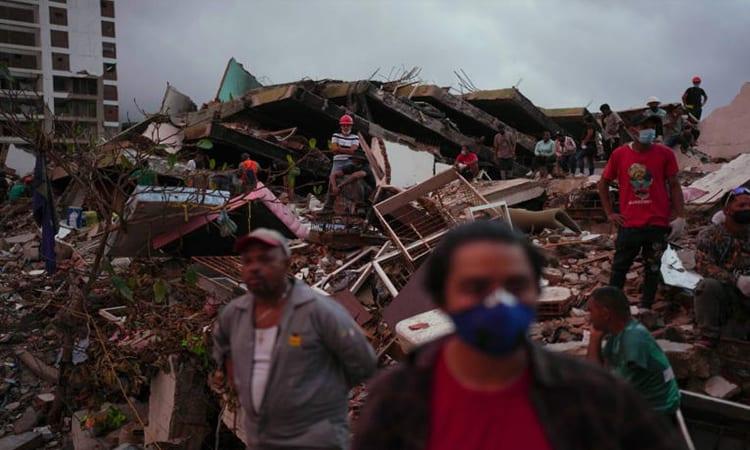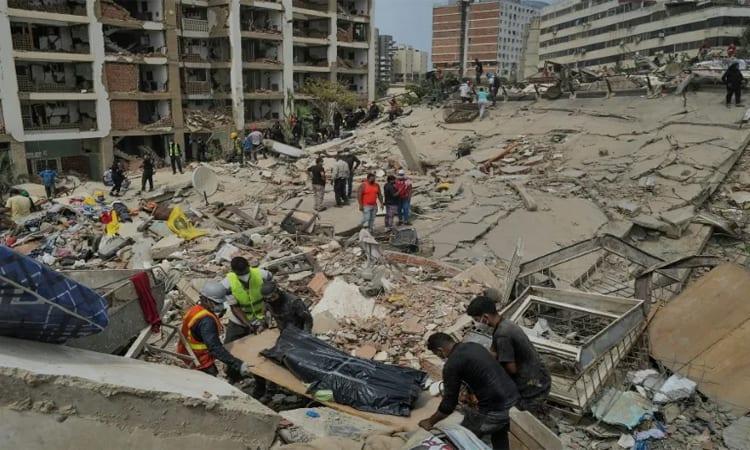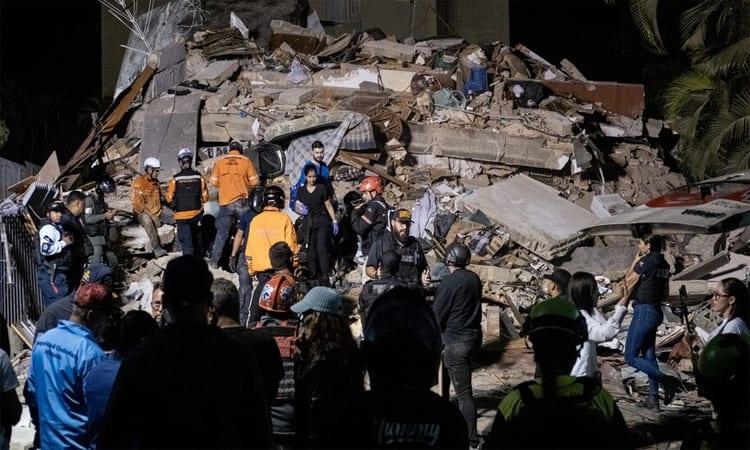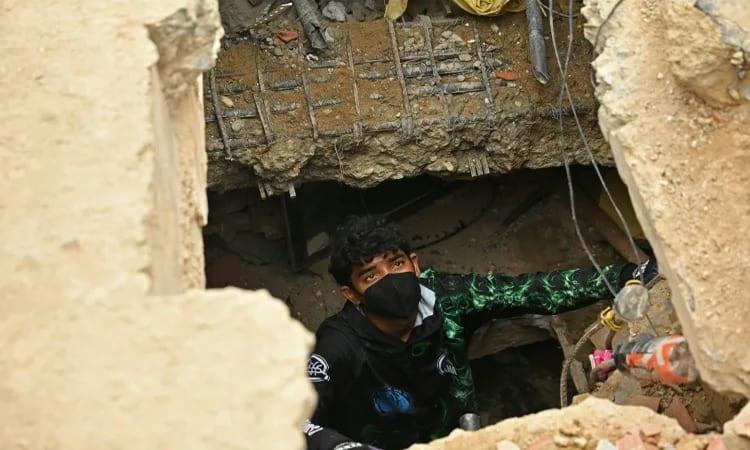
With little hope of finding loved ones alive, frustrated families of those affected by Venezuela's double earthquakes demanded help on Friday to recover their bodies as uncertainty grows over the death toll from the tragedy. Authorities reported nearly 2,600 deaths as of Thursday from the 7.2 and 7.5 magnitude earthquakes that struck the country last week, most in the coastal town of La Guaira, where scores of residential complexes were flattened.
Growing Frustration and Uncertainty
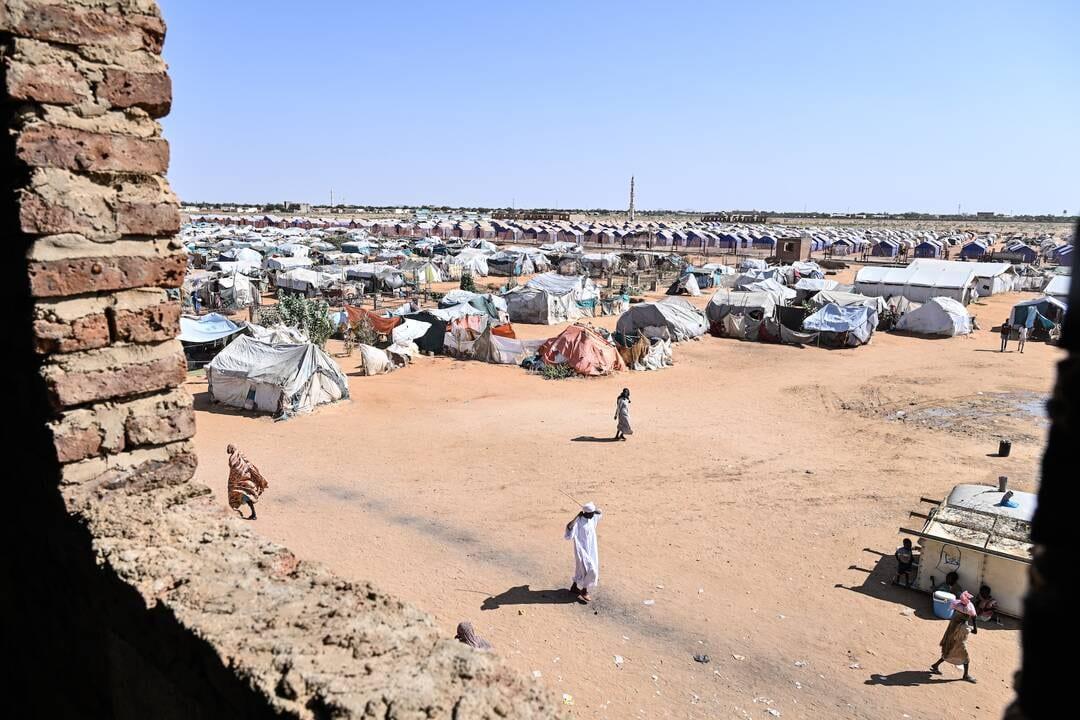
Officials have avoided estimating the number of missing, though the UN has put that figure at as many as 50,000. Many left homeless are also sleeping in the streets or in makeshift shelters set up in parks and public spaces. Nine days after one of Latin America's worst earthquake disasters, rescue teams are beginning to wind down search operations for survivors, although many relatives still cling desperately to any sound from the rubble as a sign of life.
Clashes and Emotional Turmoil
In front of the Tahiti building in the Caraballeda sector of La Guaira, one rescuer reported hearing shouts from an adult in the early Friday morning hours. Reports also emerged that a 9-year-old boy had been found alive, but foreign rescuers told AFP there were no traces of any survivors. Outside the Tahiti, frustrations boiled over as families trying to recover bodies shouted at others wanting to clear the way for a potential rescue.
Government Response Under Scrutiny
Venezuela's interim President Delcy Rodriguez has suggested there is still a possibility of finding survivors, but after nine days, that scenario is remote. The government's response to the tragedy has been the target of harsh criticism from many in La Guaira, who denounced the absence of rescuers until the arrival of international brigades. Many residents in La Guaira said neighbors, family members, and volunteers were the first to remove rubble and search for people by hand.
Calls for Support and Machinery
But many families are denouncing a lack of support and heavy machinery needed in the recovery of bodies from collapsed buildings. "They tell us no, that they're looking for the living, but what about the dead? Aren't they human beings too?" said Dalimer Diaz, 43. "Nobody wants to remove the dead; we have to retrieve the bodies ourselves. We need machinery to help us."
International Aid and Criticism
The United States is helping coordinate international rescue efforts in Venezuela. But exiled opposition leader and Nobel Peace Prize winner Maria Corina Machado, who wants to return to the country, criticised the government response. "The total absence of the state has become evident; the country needs figures it can trust," she told correspondents in Venezuela via Zoom, arguing she should be a stabilising presence there.