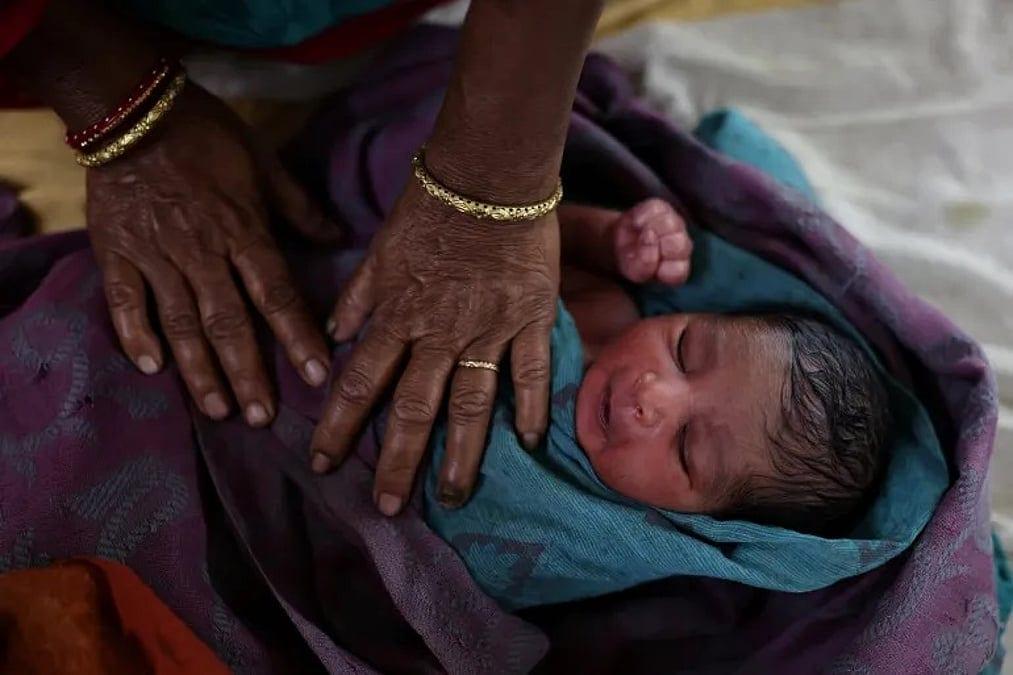
India's birth rate has declined below the replacement level for the first time, according to the latest Sample Registration System (SRS) report. The Total Fertility Rate (TFR) now stands at 1.9, below the 2.1 required to maintain a stable population. This decline, driven by factors such as increased education, better access to contraception, and rising child-rearing costs, poses significant challenges for India's future workforce and demographic balance.
Factors Contributing to the Decline
Several factors contribute to the declining birth rate in India. Increased education and employment opportunities for women, greater access to contraception, and the rising cost of child-rearing are primary drivers. Additionally, a decrease in infant mortality rates has reduced the need for larger families. These factors vary across regions, with poorer states like Bihar and Uttar Pradesh showing higher fertility rates compared to wealthier states like Tamil Nadu and Kerala.
Implications for India's Future
The declining birth rate has significant implications for India's future. A shrinking workforce and an aging population could hinder economic growth and strain social services. Economist Deepa Sinha warns that India may not fully benefit from its demographic dividend, a period where the working-age population outnumbers dependents, due to these demographic shifts.
Government Response and Future Policies
The Indian government has yet to implement a nationwide policy to address the declining birth rate. However, some states have introduced incentives for larger families and increased access to fertility treatments. Experts like Deepa Sinha suggest that the government should respect individual choices while developing policies to support an aging population and ensure sustainable demographic growth.