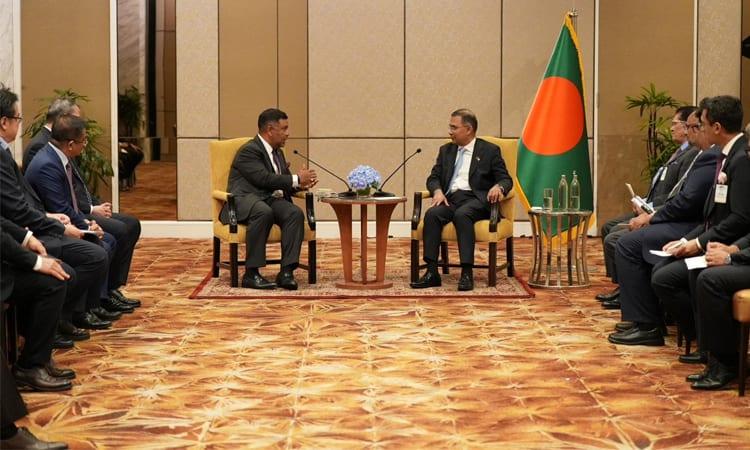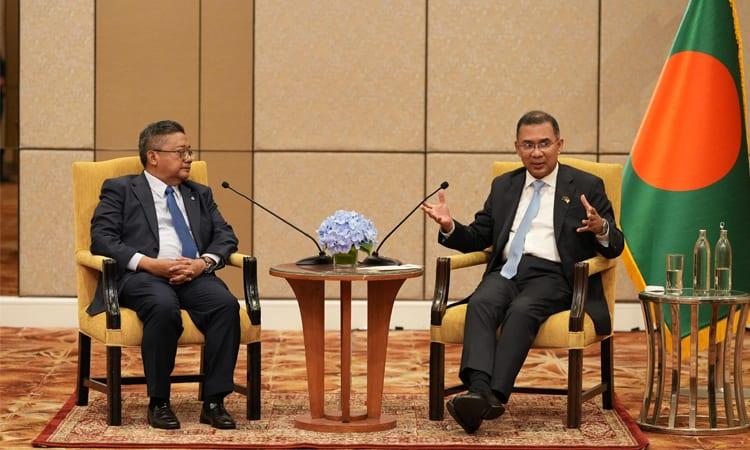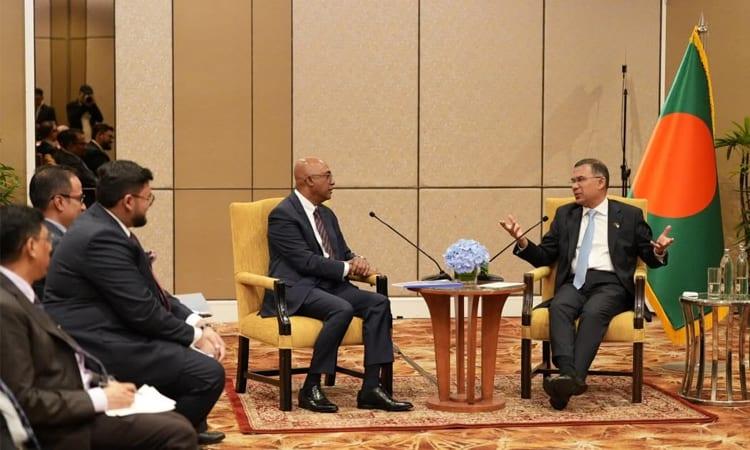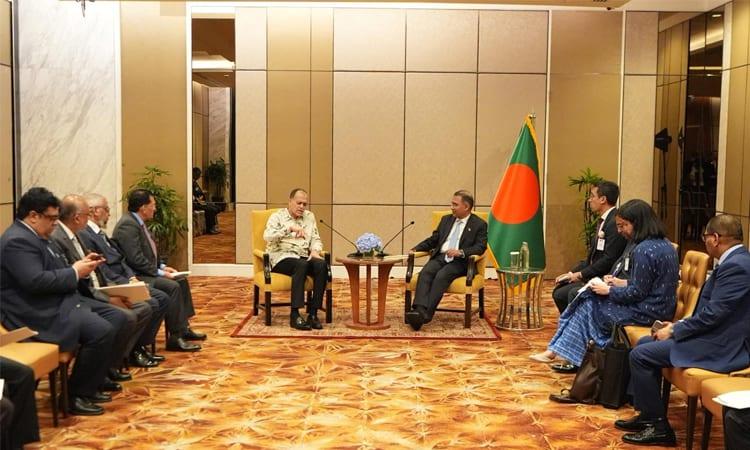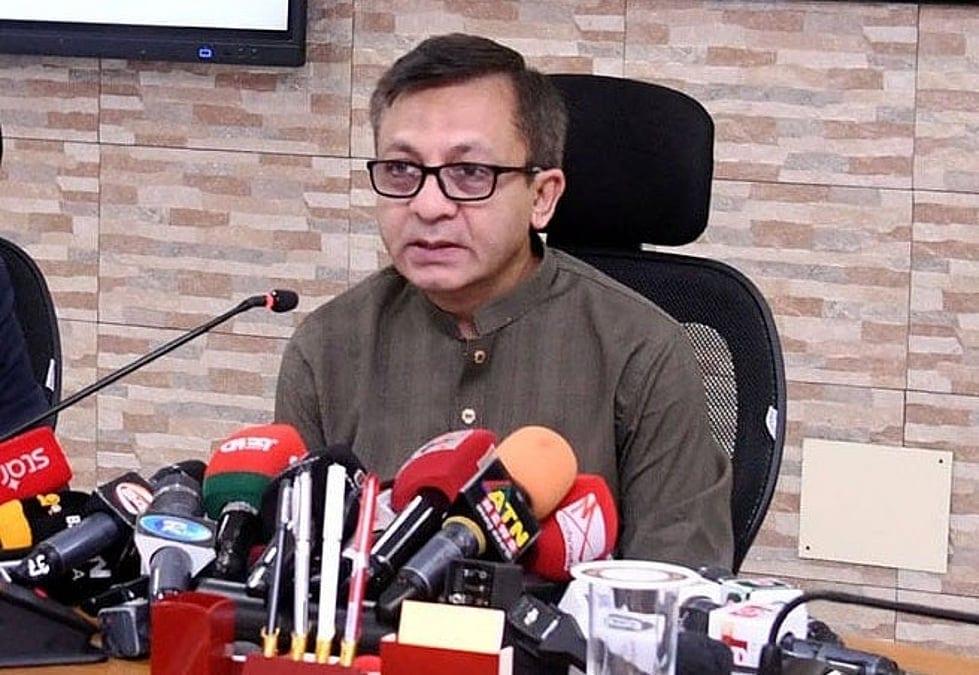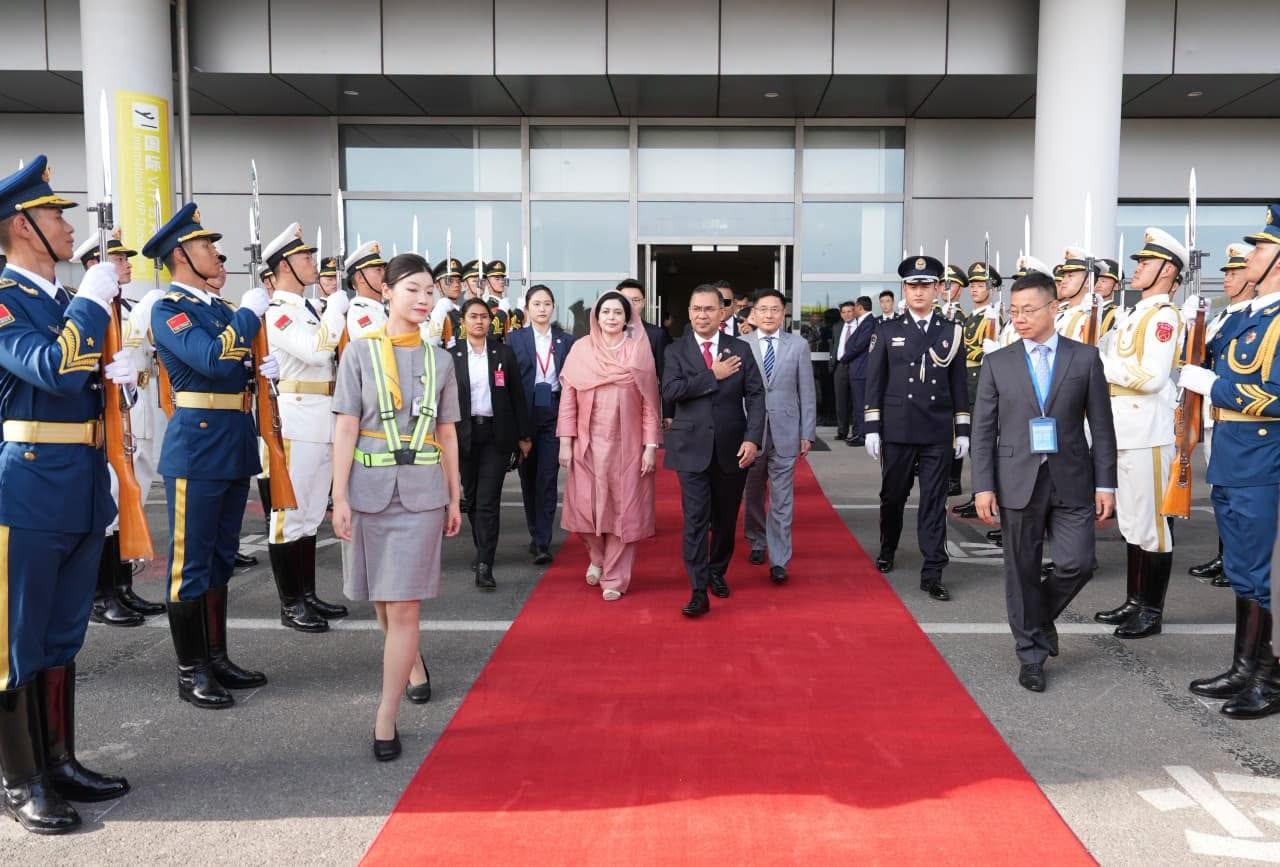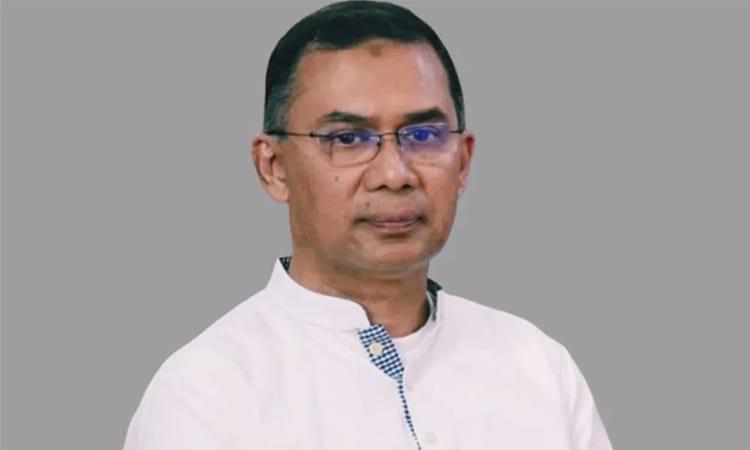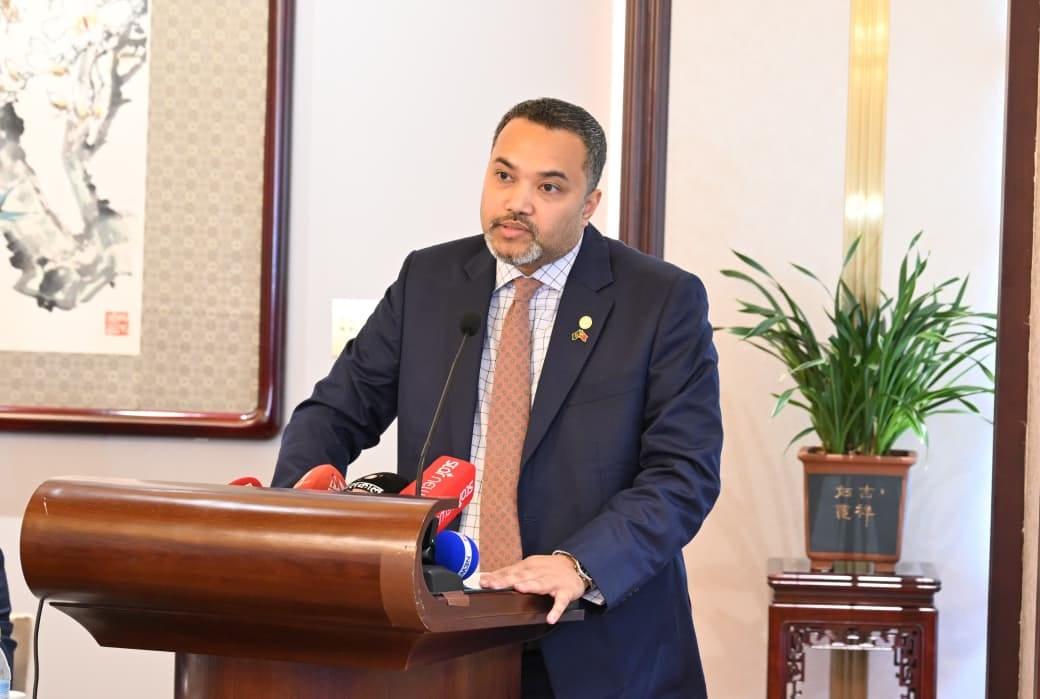
China has proposed the establishment of an economic corridor linking Bangladesh, Myanmar, and China aimed at further deepening regional connectivity and trade. This proposal was made during detailed discussions between Prime Minister Tarique Rahman and Chinese President Xi Jinping. Prime Minister’s Office spokesperson Mahdi Amin announced this while briefing newsmen at the Diaoyutai State Guesthouse following the meeting.
Objectives of the Economic Corridor
The main objective of this economic corridor would be to expand Bangladesh’s economy, increase economic transactions, and further enhance multimodal transportation. The corridor is expected to boost regional trade and connectivity significantly.
Port Modernization and Bilateral Ties
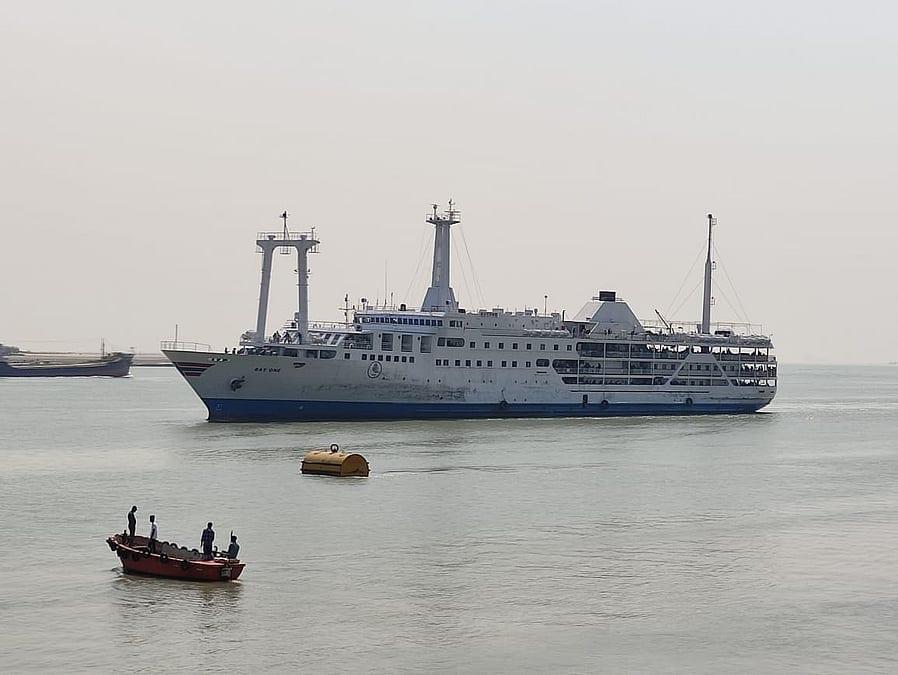
During the meeting, China expressed interest in further modernizing Chittagong port to make it a regional business hub. Additionally, discussions were held on upgrading Mongla port to make it more progressive and service-oriented. Both countries are eager to strengthen people-to-people contact and deepen ties in culture, media, technology, knowledge transfer, and employment generation.
Education and Healthcare Cooperation
Mandarin is being prioritized as a third language in Bangladesh’s education system, along with technical and vocational education. China is eager to assist Bangladesh in these areas by providing teachers and infrastructural support. Regarding healthcare, China will help simplify visa processing and expressed interest in supporting the introduction of modern medical systems in Bangladesh, including robotic surgery and hospital development.
Rohingya Issue and Future Dialogues
On the Rohingya issue, Bangladesh’s position remains clear: the country wants the Rohingyas, who took shelter in Bangladesh, to return to their homeland Myanmar in a safe, voluntary, and dignified manner. China has assured Bangladesh that it will facilitate dialogue with Myanmar regarding Rohingya repatriation whenever necessary. Additionally, Bangladesh and China have reached an understanding on a “2+2 dialogue” mechanism covering foreign affairs and defense.