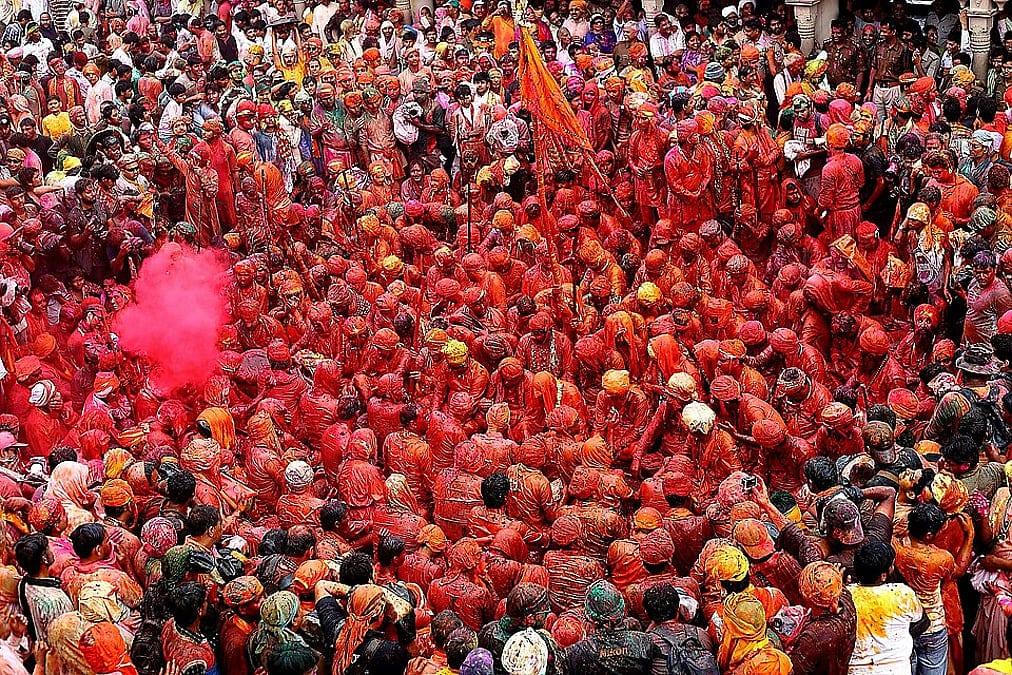
Dolyatra, often referred to as the Bengali Holi, is a vibrant festival celebrated during the spring season, marking the triumph of good over evil and the arrival of spring. It is a time of joy, unity, and devotion, where people come together to celebrate with colors, music, and dance.
Historical and Cultural Significance
The festival has deep historical and cultural roots, with stories of Holika and Kamadeva associated with it. It is also linked to the life and teachings of Chaitanya Mahaprabhu, who emphasized devotion and love as paths to spiritual fulfillment.
Celebrations and Traditions
Dolyatra is celebrated with great enthusiasm across Bengal, with people playing with colors, singing, dancing, and participating in processions. The festival is also marked by the burning of Holika, symbolizing the victory of good over evil.
Influence of Rabindranath Tagore
Rabindranath Tagore played a significant role in popularizing Dolyatra in modern times, encouraging people to celebrate with songs, dances, and the exchange of colors in a dignified manner. His contributions have left a lasting impact on the way the festival is celebrated today.