A Khulna court today sentenced four men to life imprisonment for the 2013 murder of Rihad Hossain, a sixth-grade student of Rayermohol Secondary School. Judge Nazmus Shahadat of the Additional District and Sessions Judge's First Court handed down the verdict. The convicts are Raju Sheikh alias Gangua, Shamim alias Sabuj Morol, Nur Alam Siddique alias Collins alias Badsha, and Joyanta. Each was also fined Tk 20,000, with six months' simple imprisonment in default. The court sentenced the four to 20 years' rigorous imprisonment under three other charges, along with fines.
Incident Details
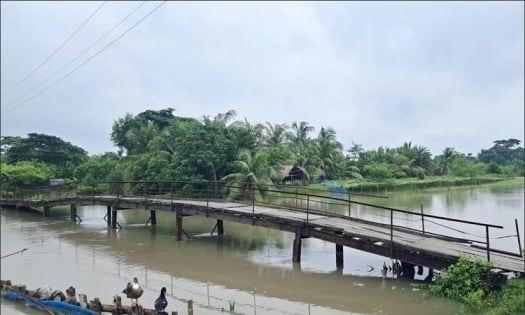
According to the prosecution, Rihad Hossain left home on December 6, 2013, driving his father's battery-run easy bike to carry passengers. The accused allegedly lured him to a secluded area in Dumuria on the pretext of hiring the vehicle and killed him. Rihad's body was recovered from Panchu Canal on December 9. His family later identified the body at Khulna Medical College Hospital, where doctors found sharp-weapon injuries to his neck.
Court Proceedings
The investigation found that the accused first assaulted Rihad with a hammer and then slit his throat with a blade. They dumped his body in the canal before fleeing with the easy bike, which they later sold in Jashore. A murder case was filed with Dumuria Police Station, and police submitted a charge sheet against eight accused on May 15, 2015. Only Nur Alam Siddique was present in court when the verdict was delivered. The other convicted men are absconding, and the court has issued warrants for their arrest. Another accused, Abul Kalam Azad, was sentenced to three years' rigorous imprisonment and fined Tk 5,000, with one month's simple imprisonment in default, for his involvement in disposing of the stolen vehicle.
Background and Context
This case highlights the ongoing issue of violent crime against children in Bangladesh. The lengthy trial and eventual sentencing underscore the judicial system's efforts to deliver justice, though the absconding status of some convicts raises concerns about enforcement and follow-up. The community's reaction and the impact on Rihad's family remain significant aspects of this tragedy.