The Pulse Today
BREAKING
MP Azharul Islam Mannan Distributes Relief Funds to Needy Families in SonargaonParliament Proposes Anti-Gambling Bill with Maximum 7-Year Prison PenaltyOpenAI Unveils 'Schedule' Feature to Boost Task Management in AI ChatbotPrime Minister Tareq Rahman Arrives in Dalian, China for Economic ForumEurope Confronts Intense Heatwave; Conditions Predicted to DeteriorateGold Prices Rise Again in Bangladesh Amid Global Market IncreaseSpaceX's Nasdaq Debut Values Company at Over $2 Trillion, Surpassing AmazonStudy Reveals AI Data Centers Contribute to Local Temperature IncreasesNarayanganj BNP Youth Wing Holds Rally to Welcome New Central CommitteeMP Mannan Announces Special Plan to Promote Sonargaon GloballyIsrael Names Inaugural Resident Ambassador to Slovenia, Strengthening Diplomatic TiesPrime Minister Tarique Rahman Calls on PGR to Balance Security and Public EngagementNepal PM Shah Celebrates 100 Days in Office with Swift Reforms and Mysterious PersonaBabar Azam Reappointed Pakistan Test Captain for West Indies and England Tours14 Yemeni Government Troops Killed in Houthi Attack Near HodeidahChina and Russia Announce Joint Pacific Naval Drills, Highlighting Strengthened Military TiesAfghan Car Trade Ceases Amid Escalating Regional Conflicts and Border ClosuresEngland and Mexico Set for Epic World Cup Battle at Iconic Azteca StadiumTurkey Seeks F110 Fighter Jet Engines During Trump's NATO VisitBangladesh Govt Prohibits Use of PM's Image on Official Banners and Billboards34 Detained in Anti-Crime Raids in Uttara West and JatrabariNBR Cautions Taxpayers to Beware of Fraudsters Posing as Tax OfficialsSuper Typhoon Bavi: 'Very dangerous' storm nears US Pacific islandsEgypt Discovers 2,000-Year-Old Coastal Tombs and Byzantine Desert City

OPEC+ Anticipated to Raise Oil Production Quotas Due to Enhanced Middle East Stability

OPEC+ is set to raise oil production quotas as Middle East stability improves, analysts predict.

By Staff Correspondent
Share
OPEC+ tipped to raise quotas again as Middle East calms | Business
BSS

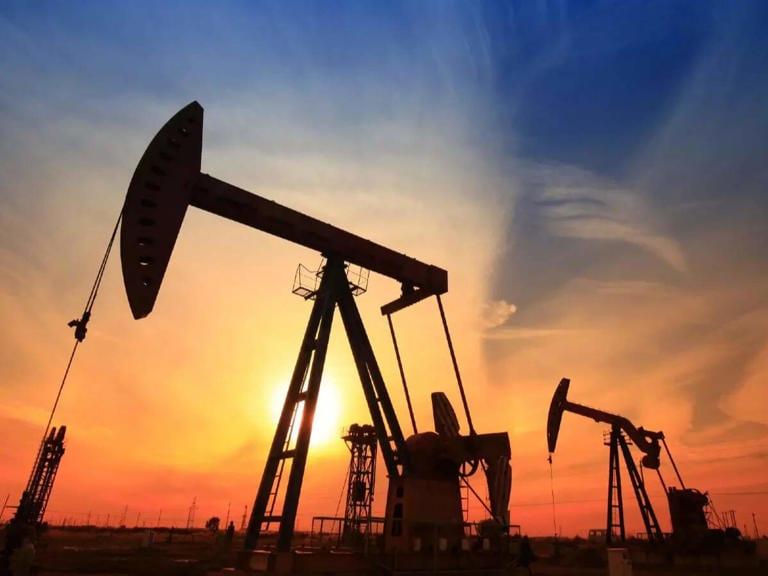
Seven OPEC+ members are expected to raise their oil production quotas on Sunday, as tensions in the Middle East ease following a recent agreement between Tehran and Washington. Analysts predict an increase of 188,000 barrels per day, continuing the unwinding of production cuts at the same pace as previous months.

Middle East Stability and Oil Production

The decision comes after the Strait of Hormuz, a critical shipping lane, saw a near-paralysis orchestrated by Iran during the Middle East war. This blockade significantly impacted oil exports from Gulf countries. However, a memorandum of understanding signed on June 17 by Tehran and Washington has committed to removing obstacles to maritime traffic, leading to a recovery in ship transport and a sharp drop in oil prices.

Impact on Oil Prices and Production

Oil supplies through the Strait of Hormuz may have already exceeded ten million barrels a day, according to a US official. However, the oil currently being transported has largely been stored on tankers or in storage facilities. Analysts note that restarting shut-in production takes time, but expect an improvement in July with a more significant pickup in August.

Challenges Ahead for OPEC+

Despite the expected increase in production, OPEC+ faces challenges. The group is already weakened by the departure of the United Arab Emirates in May. Additionally, rebuilding inventories tapped during the conflict may initially absorb the increased flows, but producers may face downward pressure on prices later on. Iraq, in particular, has requested higher production quotas to make up for the shortfall incurred during the war.

Future Quotas and Production Baselines

At the end of the year, OPEC+ is due to reassess members' quotas based on their ability to produce more. This could become a contentious issue, especially as production volumes are still far from pre-conflict levels. Analysts suggest that Iraq's request for higher quotas may be considered during the 2027 capacity review.

Significance for Bangladesh

For Bangladesh, the expected increase in oil production and the subsequent drop in prices could have a positive impact on the country's economy. Lower oil prices may reduce the cost of imports, potentially lowering inflation and benefiting consumers. Additionally, stable oil supplies from the Middle East could enhance energy security for Bangladesh.
Source: BSS

FAQ

Why is OPEC+ raising oil production quotas?
OPEC+ is raising oil production quotas due to improved stability in the Middle East following an agreement between Tehran and Washington, which has led to the recovery of maritime traffic in the Strait of Hormuz.
How will this affect oil prices?
The increase in oil production is expected to lead to a drop in oil prices, as supplies through the Strait of Hormuz have already exceeded ten million barrels a day.
What challenges does OPEC+ face with this decision?
OPEC+ faces challenges such as downward pressure on prices and the need to rebuild inventories. Additionally, the group is weakened by the departure of the United Arab Emirates.

Topics

Comments

More in business

See all →

Latest stories